Best 3/4 Inch Router Bits for Dado, Grooves, and Precise Joinery
If you need reliable 3/4″ router bits for dado grooves, rabbets, or straight cuts, this guide highlights five top options. These bits are ideal for woodworkers, DIY enthusiasts, and cabinet makers seeking clean edges and durable performance. The selections cover a range of shank diameters, carbide grades, and cross-compatibility with CNC, handheld, and router table setups. Read on to compare features, pros, and best-use scenarios to pick the right bit for your project.
| Product | Diameter | Shank | Why it’s a good pick |
|---|---|---|---|
| Yonico 14955q Straight Bit | 3/4″ | 1/4″ | Versatile for dado grooves and straight cuts; good for joinery and CNC work |
| Freud 04-140 Double Flute | 3/4″ | 1/4″ | Two-flute precision for clean cuts in solid wood and composites |
| Freud 12-152 Eclipse Grind | 3/4″ | 1/2″ | High-precision finish with Eclipse grind for smooth routing |
| Yonico 14160q Straight Bit | 3/4″ | 1/4″ | Premium carbide blades; great for dados and straight cuts |
| KEENTECH Straight Bit | 3/4″ | 1/4″ | Industrial-grade quality with long lifespan |
Yonico 3/4-Inch Diameter Straight Bit, 1/4-Inch Shank

Best for dado grooves and straight cuts, this Yonico bit uses a 3/4″ cutting diameter with a 3/4″ cutting length and a 1/4″ shank. It’s suitable for CNC, handheld, and router-table applications. The design supports reliable, straight routing with consistent edge quality.
Who it’s best for: hobbyists and cabinetmakers needing a solid all-rounder for joinery and dado work. Why chosen: affordable, versatile, and compatible with multiple router setups. Caution: ensure your router can handle 3/4″ cut depth in one pass to avoid excessive load.
Freud 04-140: 3/4″ Double Flute Straight Bit
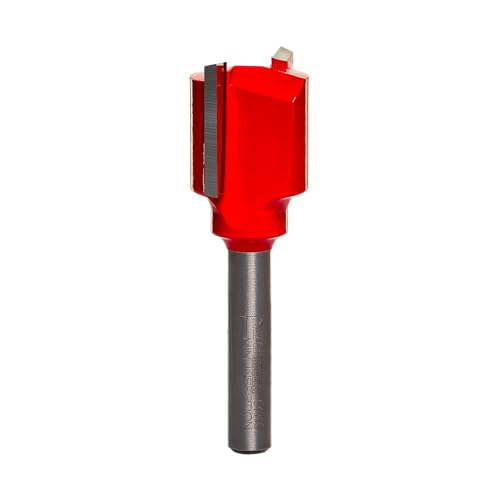
Two cutters deliver clean, efficient cuts in solid wood, plywood, and composites. With a 3/4″ carbide height and a 1/4″ shank, this Freud bit is designed for precise dadoes and straight routing, often ideal for cabinetry and furniture work.
Who it’s best for: woodworkers prioritizing smooth, flat dado faces. Why chosen: reliable brand with strong carbide performance. Caution: higher cutting depth demands steadier feed rates to maintain edge quality.
Freud 12-152 Eclipse Grind: 3/4″ Bit
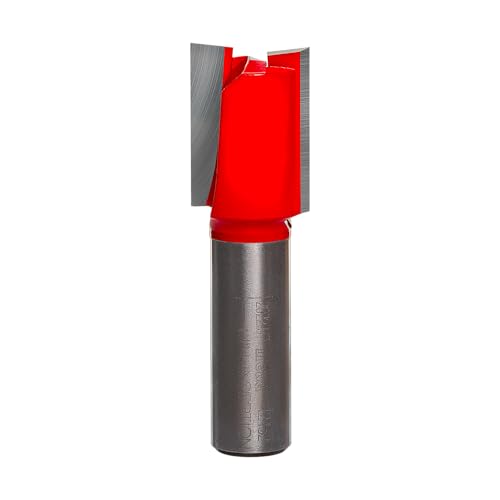
Featuring a 1/2″ shank and 1″ carbide height, this bit is designed for clean cuts in solid wood, plywood, and composites. The Eclipse grind promises reduced tear-out and refined edge quality on high-precision joinery tasks.
Who it’s best for: users needing high-precision straight routing with deeper carbide engagement. Why chosen: Eclipse grind is a distinctive feature for smoother finishes. Caution: the larger shank limits compatibility with smaller collet routers.
Yonico 14160q Straight Router Bit

Designed for dados and straight cuts, this Yonico bit uses premium C3 micro-grain tungsten carbide blades for a sharper, longer-lasting edge. It supports use on CNC, table-mount, and handheld routers, making it a flexible choice for shop setups.
Who it’s best for: users who need durable edge retention across multiple passes. Why chosen: blend of sharp carbide and compatibility with various machines. Caution: ensure consistent feed speed to maximize edge quality on dense species.
KEENTECH Straight Router Bit, 1/4″ Shank, 3/4″ Dia

With a 1/4″ shank and 3/4″ diameter, this bit emphasizes precision and longevity. It features a high-strength steel body and tungsten carbide blade for extended life, especially in hardwoods and plywood. It’s best for routine grooving and dado tasks in larger-scale projects.
Who it’s best for: workshop operators seeking durable, long-lasting straight bits. Why chosen: industrial-grade quality and multi-material versatility. Caution: the longer cutting depth requires controlled feed rate to avoid chatter on delicate materials.
Buying Guide: Key Considerations for 3/4″ Router Bits
- Material compatibility: Most 3/4″ straight bits work well on solid wood, plywood, MDF, and composites. Avoid metal or non-wood materials.
- Shank vs. cutting diameter: A larger cutting diameter reduces flexibility in tight spaces. A 1/4″ shank is widely compatible with standard routers and adapters, but confirm your router’s collet capacity.
- Carbide grade and grind: Micro-grain carbide and Eclipse or Hi-Density carbide grinds improve edge life and finish. For rough stock, a standard carbide bit may suffice; for fine trim, prioritize higher-grade carbide.
- Number of cutters: Double-flute designs typically provide smoother cuts and faster chip removal but may require more power. For general routing, two-flute designs are common and reliable.
- Depth of cut and safety: 3/4″ cutting depth should be used with appropriate feeds and step-down passes. Use clamps and zero-clearance plates to minimize tear-out and kickback risks.
- Machine compatibility: Ensure compatibility with CNCs, router tables, and handheld routers. Some bits are optimized for CNC use due to precision tolerances.
FAQ
- What is the main use for a 3/4″ router bit?
They’re primarily used for dado grooves, rabbets, and straight cuts in wood, providing robust removal and clean edges.
- Is a larger shank better for durability?
Generally, a larger shank can improve stability and reduce vibration, but it must fit your router’s collets.
- Which bit is best for smooth edges on plywood?
Double-flute carbide bits, such as Freud options, are often favored for clean plywood edges due to efficient cutting and chip removal.
- Should I choose a high-carbide grind for all projects?
High-grade carbide is beneficial for frequent use and hard woods, but for occasional hobby work a standard carbide bit can be sufficient.
- Can these bits be used on a handheld router?
Yes, most 3/4″ straight bits are suitable for handheld, router-table, and CNC setups, depending on your tool’s capacity.
- What safety steps are essential when routing?
Wear eye protection, secure the workpiece, use proper feed direction, and keep fingers away from the bit. Use clamps and a work-holding setup.