Best Acids for Rust Removal: Top Picks and Buying Guide
Rust can degrade metal, concrete, and tools if left untreated. Acid-based rust removers offer strong, fast-acting options, but they require careful handling and proper disposal. This article highlights five Amazon products focused on acid-based rust removal—and one non-acid alternative for comparison—so you can assess effectiveness, surface compatibility, and safety. Each entry includes a concise description, key features, and usage notes to help you decide which product matches your project needs.
| Product | Brand | Acid Type | ||
|---|---|---|---|---|
| Zep Acidic Toilet Bowl Cleaner | Zep | Acidic formula | Rust, stain, and mineral deposit removal on metal and plumbing surfaces | Extended contact time; septic-safe |
| Oxalic Acid 99.6% 2 Lb | Florida Laboratories | Oxalic Acid | Rust removal on metal surfaces; deck and metal cleaning | High-purity concentrate for strong rust removal |
| Phosphoric Acid 30% 1 Gallon | Alliance Chemical | Phosphoric Acid | Rust removal and pH adjustment in industrial cleaning | Industrial-grade rust remover with versatile cleaning power |
| Oxalic Acid 8 Lbs 99.6% Pure | MAXTITE | Oxalic Acid | Rust removal on metal; multi-purpose cleaning | Multi-use concentrate for rust and surface restoration |
| Singerman Rust Remover For Concrete | Singerman Laboratories | Rust remover gel (concrete use) | Rust removal on vertical concrete surfaces | Gel formula designed for vertical applications |
Zep Acidic Toilet Bowl Cleaner

The Zep 32-ounce cleaner uses an acidic, clinging formula designed to stay in contact with rust, stains, scale, and residue. This extended contact time helps break down mineral build-up on metal surfaces and grout-adjacent areas. It is advertised as septic-tank and drain-line safe, appealing for household and some commercial settings where regular drainage is a concern. The product supports professional cleaning with less scrubbing, enabling quicker surface restoration when used as directed. Handle with care, and rinse thoroughly after application on metal surfaces.
Key features include: a clingy acid-based formulation for longer dwell time; effectiveness against rust and mineral deposits; septic-friendly formulation; and reduced scrubbing effort for cleaning teams. Use protective gear, follow label directions, and ensure adequate ventilation when working in enclosed spaces.
Evapo-Rust ER012 Heavy Duty Rust Remover

Evapo-Rust ER012 is a non-toxic, water-based rust remover that works without scrubbing or sanding. It’s designed to restore automotive parts, tools, hardware, cookware, and antiques by dissolving rust through chelation rather than acid attack. The formula is non-corrosive and free of harmful acids, bases, solvents, odors, or fumes, making it suitable for indoor use with good ventilation. Users typically submerge parts or lay them in the solution, allowing rust to dissolve gradually. It’s reusable and versatile across metal types, including cast iron and steel components.
Notes and considerations: while not acid-based, this option avoids harsh chemical fumes and reduces mechanical cleaning effort. Check the material compatibility for delicate finishes and paints, and follow recommended immersion times to optimize rust removal without affecting base substrates.
Oxalic Acid 99.6% 2 Lb

Oxalic acid is a strong organic acid used for rust removal on metal surfaces and for wood stain removal in some finishes. This 99.6% pure product offers concentrated cleaning power for stubborn rust spots and mineral stains. It’s commonly used as a rust converter or remover in controlled environments, and it can be effective on steel and aluminum if applied according to label instructions. Proper PPE is essential when handling concentrated oxalic acid, and it should be diluted or used with water as directed to minimize risk to skin and eyes.
Key points: high-purity oxalic acid; versatile rust and stain elimination; suitable for metal and wood restoration; safety precautions required; digestion times vary by surface and rust severity. Avoid prolonged exposure on plated or anodized finishes, and always test on a small area first.
Oxalic Acid 8 Lbs 99.6% Pure

MAXTITE’s 8-pound oxalic acid product is a concentrated rust remover with broad applicability. The features describe it as a multi-purpose cleaning and restoration agent that can target rust on metal surfaces, wood restoration tasks, and stain removal. It’s a versatile option for users who need a single chemical for multiple projects, but concentration levels require careful handling and dilution according to safety guidelines. This product is best used in well-ventilated areas with appropriate PPE and in accordance with container labeling.
Highlights include: high-purity oxalic acid suitable for heavy-duty rust removal; broad restoration uses beyond metal surfaces; concentrated formula that can reduce application time; handling caution for concentrated acids and wood finishes; ventilation and protective equipment essential.
Singerman Rust Remover For Concrete
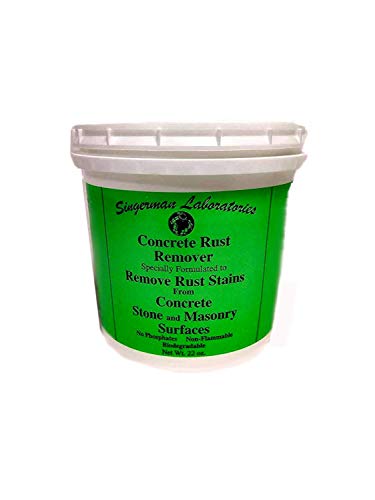
Singerman Rust Remover for Concrete is a gel-based rust remover designed for concrete surfaces, including vertical applications. The formula, mixed with water, yields a rust-removing gel that adheres to walls, steps, and other vertical surfaces without running down as quickly as liquid products. It is marketed as safe for grass or vegetation nearby, which can be advantageous for outdoor DIY renovations. While the exact active ingredients aren’t specified, the product offers targeted rust removal on concrete where other liquids may fail to stay in place.
Considerations involve gel consistency for vertical work, compatibility with surrounding materials, and safe disposal after treatment. It’s useful for patios, driveways, and building facades where rust and mineral stains are visible on vertical concrete surfaces.
Buying Guide
- Acid strength and type: Oxalic and phosphoric acids are common rust-removing options with different corrosion profiles. Oxalic acid tends to be effective on rust and certain stains, while phosphoric acid can treat rust and convert iron oxide on some surfaces. Choose based on rust severity and substrate material.
- Surface compatibility: Metals (steel, iron, aluminum) may react differently to acids. Some concentrations can dull finishes or etch metals; always test on a small area first and follow dilution guidelines.
- Application method: Liquids require brushing, soaking, or wiping, while gels are better for vertical surfaces and containment. For large areas or vertical surfaces, gels reduce runoff and improve dwell time.
- Ventilation and PPE: Acids can produce fumes and skin irritation. Use gloves, goggles, and work in a ventilated space. Follow label instructions for safe handling and disposal.
- Environmental impact and disposal: Rinse thoroughly and dispose of waste according to local regulations. Septic-safe products may still require careful disposal to protect plumbing and soil.
- Non-acid alternatives: For rust on sensitive finishes or delicate surfaces, non-acid rust removers (such as chelating or water-based products) may reduce risk of damage, though they may require longer dwell times.
- Cost and concentration: Concentrated acids reduce the need for frequent purchases but require careful handling. Compare total project cost by calculating the amount of solution needed for your rust scale.
- Compatibility with coatings: Painted or coated surfaces may react differently to acids; test on inconspicuous areas to avoid removing primer or color finishes.