Best Caulk for Concrete to Wood Surfaces
Choosing the right caulk or sealant for joining concrete and wood requires balancing adhesion, flexibility, and durability. The products below cover a range of needs, from ultra-strong bonding adhesives to flexible, color-matched sealants and high‑temperature fire-rated options. Whether you’re sealing gaps between concrete slabs and wood framing, or protecting trim where brick, masonry, or stone meet wood, this guide highlights options that deliver reliable performance on American jobsites and home projects alike.
| Product | Type | Best For |
|---|---|---|
| Loctite PL Premium Polyurethane Construction Adhesive | Construction Adhesive | Bonding wood to concrete and other materials |
| Finish Line Caulk Acrylic Urethane Sealant | Caulk/Sealant | Precise, flexible sealing around trim and small gaps |
| Loctite PL Premium Max Construction Adhesive | Construction Adhesive | Heavy-duty bonding across multiple substrates |
| Kraken Bond High Temperature Fireplace Sealant | Fire- and high-temperature sealant | Sealing joints near heat sources and metal work |
| DecorRom Transparent Waterproof Coating | Waterproof sealant / coating | Clear, flexible protection for concrete and wood |
Loctite PL Premium Polyurethane Construction Adhesive
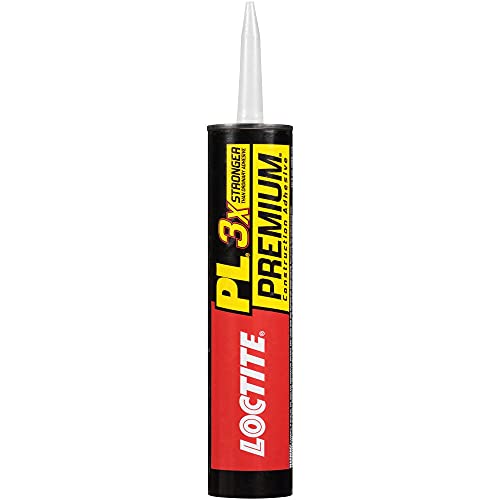
Loctite PL Premium Polyurethane Construction Adhesive is a one‑component polyurethane adhesive designed to bond a wide variety of substrates, including wood, concrete, brick, masonry, stone, and metal. It is marketed as three times stronger than ordinary construction adhesives and remains solid after curing, reducing the risk of air pockets that can compromise performance. This makes it suitable for subfloor installations and other projects where a robust bond between concrete and wood matters. It’s also noted for its versatility, allowing reliable adhesion on common construction materials such as OSB, drywall, foam insulation, and more. The product’s polyurethane chemistry helps it tolerate joint movement, which is common where wood and concrete meet. For best results, clean surfaces, apply to one substrate, and clamp until cured.
- All purpose: One component polyurethane-based adhesive that bonds to most materials for consistently successful results
- 3X stronger: Three times as strong as ordinary construction adhesives
- Versatile: Bonds to wood, concrete, drywall, brick, masonry, stone, metal, and more
In practice, this adhesive supports structural joints where wood framing adjoins concrete slabs, forming a durable, long‑lasting bond. It’s well suited for scenarios where fasteners alone are insufficient or undesirable. Curing times vary with environmental conditions, so follow label directions for cleanup and clamping. While highly capable, this product should be used with proper ventilation and PPE, especially in enclosed spaces.
Finish Line Caulk Acrylic Urethane Sealant

Finish Line Caulk is an acrylic urethane elastomeric sealant designed for precision caulking with a pre-filled, fine-tip applicator. It’s ideal for sealing small gaps around trim, baseboards, windows, doors, and cabinetry where wood meets masonry or concrete. The formula expands and contracts with temperature changes, helping prevent cracks, shrinkage, and peeling over time. The ultra-fine tip enables controlled, neat dispensing, which is especially valuable for detailed finish work. As a white sealant, it provides a clean aesthetic for interior projects where a visible caulk line would otherwise stand out.
- Precision caulking made easy with a pre-filled caulk gun and fine-tip applicator
- Durable, flexible white sealant that handles expansion and contraction
- Ultra-fine tip for controlled, smooth dispensing
This caulk is well-suited for interior projects where a neat appearance is important, such as along trim edges where wood meets plaster or concrete. While it offers flexibility and a clean finish, it is primarily a sealing solution for smaller joints rather than structural bonding. For larger, load‑bearing joints, pairing with mechanical fasteners or a stronger adhesive may be advisable depending on the specific application.
Loctite PL Premium Max Construction Adhesive
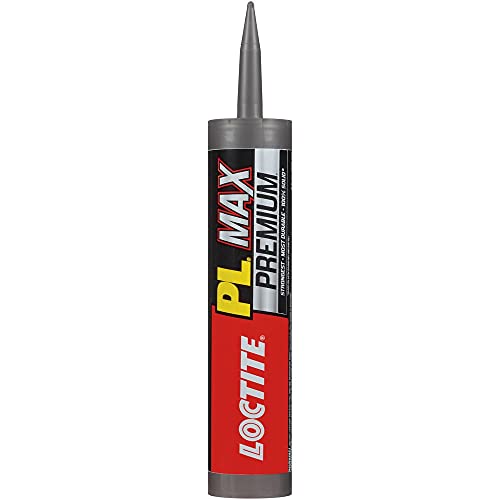
Loctite PL Premium Max Construction Adhesive is described as the strongest, most durable construction adhesive in the PL line, designed to remain 100% solid after curing. It’s built for a wide array of projects and substrates, including wood, laminate, drywall, concrete, brick, masonry, stone, and metal. The formula emphasizes solid durability and avoids air pockets, which supports a reliable, heavy‑duty bond. For concrete‑to‑wood applications, this adhesive can provide a robust joint where a long-lasting bond is needed, particularly in high‑load or outdoor environments where moisture resistance and structural integrity are critical.
- Strong, versatile adhesive for heavy-duty projects
- 100% solid after curing for reliable performance
- Works on wood, concrete, brick, masonry, stone, metal, and more
Engineers and DIYers often rely on PL Premium Max for bonds that must withstand stress and outdoor conditions. When using, ensure proper surface preparation, apply to one surface, and clamp or brace during curing. While it delivers impressive strength, users should follow safety guidelines and permit adequate ventilation during application and curing, particularly in enclosed spaces.
Kraken Bond High Temperature Fireplace Sealant

Kraken Bond High Temperature Fireplace Sealant is designed for high-heat environments, withClass-A fire rating and resistance up to 2732°F. This makes it a practical option for sealing joints around fireplaces, stoves, chimneys, ovens, and HVAC components where concrete, brick, stone, and metal meet. The sealant is noted for easy application and cleanup—uncured material cleans with water, and tool marks can be smoothed with a putty knife or rubber scraper. While primarily a high-temperature sealant, its multi‑surface adhesion broadens its use for concrete-to-wood interfaces that experience heat or radiant exposure.
- Class-A fire rated and heat resistant up to 2732°F
- Easy application and cleanup with water‑based uncured state
- Adheres to brick, stone, concrete, and metal
In practice, this Kraken Bond sealant offers a protective option for areas near heat sources where ordinary caulks may degrade. It provides a flexible, paintable finish that can help maintain aesthetic appeal while delivering essential protection against heat and moisture. For best results, prepare surfaces by cleaning and drying, apply evenly, and allow proper curing time before exposure to high temperatures.
DecorRom Transparent Waterproof Coating

DecorRom Transparent Waterproof Coating is a polyurethane sealant designed to form a seamless, transparent waterproof coating on concrete and wood surfaces. It’s described as an exterior and interior option that bonds to roofs, walls, and other substrates, forming a flexible membrane to stop leaks, cracks, and water infiltration. The product dries crystal-clear, preserving surface aesthetics while maintaining adhesion and elasticity to handle temperature shifts and UV exposure. Coverage is practical for larger projects, with guidance that 14 square feet can be covered per coat on a 35-ounce container. It’s particularly useful when a discreet seal is desired on visible concrete or wood.
- Industrial-strength waterproof sealant for concrete and wood
- Crystal-clear finish with high elasticity
- Easy brush, roller, or spray application with solid coverage
DecorRom’s coating provides a protective layer that mitigates moisture intrusion and surface cracking over time. While not a dedicated wood‑to‑concrete structural bonding solution, it offers an important option for protecting joints and cracks in scenarios where visibility matters, and where a transparent sealant improves the overall appearance while delivering durability and waterproofing.
Buying Guide: Key Purchase Considerations
Selecting the right product for concrete to wood projects involves balancing bond strength, flexibility, and environmental exposure. The following considerations help compare the options above and similar products:
- Bonding versus sealing: Adhesives (like PL Premium) create structural bonds between wood and concrete, while caulks and sealants focus on sealing joints and preventing moisture. For joints that move with temperature changes, elastomeric formulas are preferred.
- Material compatibility: Confirm that the product adheres well to both concrete and wood, and whether it tolerates moisture, UV exposure, and temperature cycling common in outdoor settings.
- Temperature resistance: High‑temperature sealants are essential near fireplaces, stoves, or metal components; for general outdoor use, choose products designed to resist weathering without cracking.
- Ease of application: Pre-filled caulks with fine tips simplify precision work around trim and small gaps, while heavier adhesives may require clamping and longer cure times.
- Finish and aesthetics: If appearance matters, opt for white or clear sealants and coatings that blend with surfaces, or color‑matched caulks for masonry joints.
- Cure time and cleanup: Some products cure quickly but require clean tools and surfaces before setting; water-based or water-cleanup formulas can simplify cleanup, especially indoors.
- Durability and longevity: Look for low‑shrinkage formulations and those rated for outdoor or damp environments to extend service life and reduce maintenance.
- Code and safety considerations: Fire-rated or Class-A sealants provide additional safety in heat‑exposed areas, while low‑odor options improve indoor air quality during application.
When comparing the options, consider whether the project needs a structural bond between concrete and wood, or a flexible seal that remains watertight over time. In many cases, a combination works best: a strong adhesive for the primary joint, paired with a flexible sealant for gaps and movement, plus optional waterproof coatings for extra protection in damp or exposed areas.