Best Finishes for Interior Wood Doors: A Comprehensive Guide
Choosing the right finish for interior wood doors can protect, renew, and elevate the look of any entryway. Whether you want a warm, classic sheen or a modern, matte look, the finish you select affects durability, color, and how light plays across the surface. This guide reviews top finishes and coatings that work well on interior doors, from clear sealants to color-rich paints and stains. Each option has distinct benefits for achieving a durable, attractive door that stands up to daily use in an American home.
Below is a quick snapshot of five finishes that frequently come up for interior doors, along with key attributes to help you compare at a glance.
| Product | Brand | Finish Type | |
|---|---|---|---|
| Giani Wood Look Door Paint Kit | Giani | ||
| Minwax Polycrylic Protective Finish | Minwax | ||
| DWIL Water-Based Wood Stain | DWIL | ||
| Minwax Fast Drying Polyurethane (Warm Satin) | Minwax | ||
| Minwax Fast Drying Polyurethane (Clear Semi-Gloss) | Minwax |
Giani Wood Look Door Paint Kit
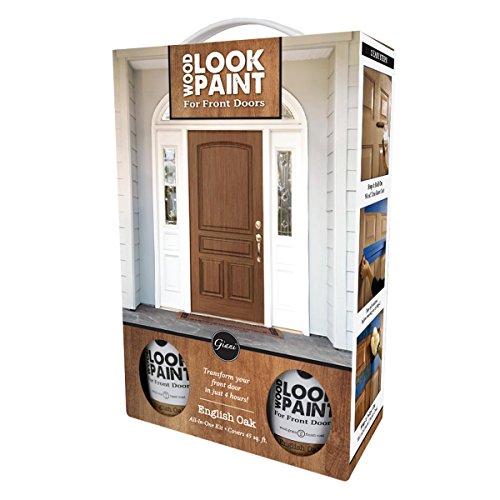
The Giani Wood Look Door Paint Kit is designed to deliver an instant upgrade to interior and exterior doors, including wood, steel, and aluminum surfaces. The kit’s first step provides a base color and wood grain effect that simulates genuine oak or other wood grains, giving doors a refreshed, high-end appearance in hours rather than days. It’s particularly popular for homeowners seeking a quick, dramatic update without replacing the door itself.
Application is intended to be user-friendly, with a four-hour turnaround from start to finish for a dramatic curb appeal improvement. The kit is versatile enough for interior doors and compatible with common door substrates found in homes, including painted metal and wood. When applied correctly, the finish resists chipping in typical indoor environments and provides a durable, decorative surface that complements trim, cabinets, and adjacent furnishings.
Pros include a relatively fast process, a distinctive wood-look result, and compatibility with multiple door materials. Potential drawbacks are the need for careful surface prep to ensure grain accuracy and the requirement to follow drying times strictly for best results. For those seeking a bold, wood-grain makeover without full replacement, this kit offers a practical, visually striking option.
Minwax Polycrylic Protective Finish

Minwax Polycrylic Protective Finish is a clear, protective topcoat designed for interior wood projects, including doors, trim, and cabinets. The water-based formula dries quickly and tends to resist scratches and spills while preserving the natural beauty of the wood. The satin sheen offers a subtle, modern glow that suits a wide range of decors, from traditional to contemporary.
Key advantages include a crystal-clear finish that stays true to the underlying color, non-yellowing properties, and low odor during application. It pairs well over both oil-based and water-based stains, making it a flexible choice when you want to maintain a consistent look across a room or home. Because it remains relatively low in odor, it’s convenient for indoor projects in living spaces and bedrooms where ventilation may be limited.
Consider the sheen level you prefer for interior doors: satin provides a soft, refined look with light reflection without glare, while a high-gloss alternative would demand more maintenance to keep it looking pristine. This finish is especially suitable for occupants who want a durable, easy-to-clean surface that gracefully protects wood doors over time.
DWIL Water-Based Wood Stain (Black Walnut)

DWIL Water Based Wood Stain provides a single-coat option for achieving a natural, matte wood look with enhanced texture on interior doors. The one-coat coverage is designed to simplify the finishing process while delivering noticeable color depth that highlights the wood grain. This stain is fast-drying and formulated for both indoor and outdoor wood projects, offering flexibility if you’re finishing doors in higher-traffic areas that require fast turnaround.
Its water-based formula emphasizes low odor and easier cleanup, which is advantageous for interior spaces. The product’s safety profile is suitable for households with pets and children, reducing concerns about harsh fumes typical of solvent-based finishes. While one coat can deliver strong color for some woods, more porous surfaces may benefit from additional coats or a compatible topcoat for durability and uniformity.
When used on interior doors, consider the wood species and original stain color; some combinations yield a richer appearance with more pronounced grain contrast. This DWIL stain is best suited for homeowners who want a deep, consistent walnut tone without complex layering techniques, while still allowing for topcoats if increased protection is desired.
Minwax Fast Drying Polyurethane (Warm Satin)

Minwax Fast Drying Polyurethane in Warm Satin is an oil-based clear topcoat designed for interior wood surfaces, including doors. It delivers a durable shield against scratches, spills, and daily wear while imparting a warm, inviting glow to the wood. The oil-based formula tends to deepen the wood tone slightly, adding a classic richness that complements traditional trim and cabinetry.
The warm satin sheen offers a balance between understated gloss and a soft luster, making it a versatile choice for rooms where a cozy, timeless aesthetic is preferred. This finish is widely compatible with many stains and paints, so it can be used over wood stains to lock in color and protect the surface. Drying times are typically longer than water-based products, so plan for adequate ventilation and cure time for best results.
Durability is a major advantage for interior doors subject to frequent contact and handling. Proper surface preparation—including light sanding and removing dust—ensures smooth application and an even, long-lasting finish. For those seeking a robust, traditional protective coating with a warm tone, this polyurethane is a well-supported option.
Minwax Fast Drying Polyurethane (Clear Semi-Gloss)

This Minwax finish provides a durable oil-based polyurethane with a clear, semi-gloss sheen. The semi-gloss finish adds a modern, slightly reflective surface that can highlight architectural details and grain patterns on interior doors. It’s well-suited for high-traffic areas where cleaning requires a resilient surface that resists scuffs and moisture.
The gloss level is higher than warm satin, which means it will show more of the wood’s grain and reflections. Like other oil-based polyurethanes, it cures to a tough film but may require longer cure times and careful ventilation during application. It pairs nicely with many wood stains and pre-finished door surfaces, delivering a protective layer that maintains the door’s natural beauty while extending its life.
When choosing this finish, consider whether you prefer a subtle understated look or a more pronounced sheen. For doors that experience frequent use, the semi-gloss option offers easier maintenance and a durable, long-lasting appearance.
Buying Guide
Selecting the right finish for interior wood doors involves balancing appearance, durability, and ease of application. Here are key purchase considerations and how they compare across common options.
- Finish type and appearance
- Paint kits (like the Giani option) deliver dramatic color and texture, enabling wood-grain effects or bold color changes. They’re ideal for accent doors and decorative updates.
- Polycrylic (water-based) is crystal-clear and low-odor, preserving wood color while offering durable protection. It’s excellent for light woods and spaces needing minimal color shift.
- Polyurethane (oil-based) provides exceptional durability and traditional warmth, with longer curing times but strong resistance to scratches and water.
- Stains offer color depth while showing grain; topcoats (polyurethane or polycrylic) extend wear life.
- Interior vs exterior considerations
- For interior doors, water-based products reduce odor and cleanup while maintaining color. Oil-based finishes are more durable but have stronger odors and longer cure times.
- Exterior-ready products aren’t always necessary for interior doors unless you want added UV protection in sun-exposed spaces near entryways or windows.
- Sheen and light interaction
- Satin sheens offer a soft, modern look and are easy to maintain in living spaces with moderate light.
- Semi-gloss enhances grain and provides a brighter finish that reflects more light, suitable for contemporary rooms.
- Gloss levels should align with surrounding trim and cabinetry to create a cohesive aesthetic.
- Durability and maintenance
- Oil-based polyurethanes typically deliver tougher surfaces ideal for high-traffic doors but require ventilation and longer cure times.
- Water-based finishes cure quicker, have lower odor, and are easier to clean up, though they may be slightly less durable in extreme wear scenarios.
- Polycrylic coatings are non-yellowing and preserve color, which helps in rooms with bright lighting or lighter wood species.
- Application and prep
- All finishes require proper surface prep: clean surfaces, light sanding, and dust removal before applying a topcoat.
- Follow manufacturer instructions for number of coats, dry times, and sanding between coats to achieve a smooth, even result.
- Safety and odors
- Water-based products are generally lower in odor and safer for indoor use, making them a good choice for occupied homes.
- Oil-based finishes offer superior durability but require good ventilation and careful handling of solvents.
- Wood species and existing finishes
- Some finishes interact differently with pine, oak, maple, or birch. Tests on a small, inconspicuous area can help predict color changes or grain enhancement.
- Seamless compatibility with stains or paints should be confirmed if you’re refinishing existing doors with multiple finishes already applied.
In sum, choosing the right finish for interior doors depends on the desired look, how much wear the door receives, and how comfortable you are with odor and curing times. For a quick color change and grain effect without replacing the door, a paint kit can be compelling. If you want maximum durability while preserving the natural wood look, oil-based polyurethanes offer robust protection with a timeless feel. For those prioritizing low odor and fast cleanup, water-based finishes like polycrylic provide an excellent balance between appearance and practicality.