Best Finish for Natural Wood: Balanced Stains and Oils for Lasting Beauty
Choosing the right finish for natural wood means balancing color, protection, and ease of use. Options range from penetrating oils that enrich grain to wax finishes that add a soft sheen, and durable oil-based blends that resist daily wear. This guide highlights five proven products that work well on interior wood projects like furniture, cabinets, and decorative pieces. Each option preserves the wood’s natural warmth while delivering durable protection. Use the buying guide to compare finish types, curing times, safety, and maintenance to pick the best match for your project and environment.
| Product | Brand | Finish Type |
|---|---|---|
| Minwax Natural Wood Finish | Minwax | Oil-based stain/finish |
| Tried & True Original Wood Finish | Tried & True | Linseed oil & beeswax blend |
| HOPE’S Tung Oil Finish | HOPE’S | Tung oil finish |
| Watco Danish Oil Finish | Watco | Danish oil finish |
| Minwax Paste Finishing Wax | Minwax | Wax finish |
Minwax Natural Wood Finish
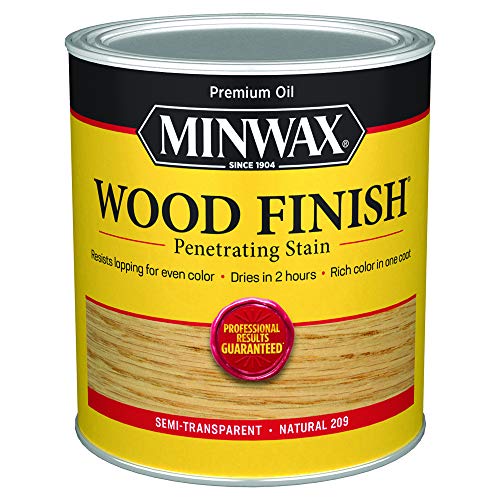
Minwax Wood Finish Natural is an oil-based stain that deepens color while highlighting the natural grain of wood. Ideal for interior projects such as furniture, cabinets, and doors, it dries in about two hours and penetrates the wood within minutes. Apply with a clean cloth or brush in the direction of the grain, wipe away excess after 5–15 minutes, and build color with additional coats for richer depth. This finish provides rich, even color and a durable interior coating that enhances natural warmth.
Tried & True Original Wood Finish

Tried & True Original Wood Finish blends linseed oil with beeswax for a warm, natural look and protective embrace. The polymerized formula cures efficiently without toxic drying aids, enabling safe indoor use with minimal odor. This oil-and-wax finish is durable and easy to touch up, making it ideal for tabletops, cabinetry, and heirloom pieces. The finish sands smoothly and repairs well, preserving the wood’s character while resisting moisture and daily use.
HOPE’S Tung Oil Finish

HOPE’S 100% Pure Tung Oil provides a natural, hand-rubbed look that penetrates deeply into wood fibers. This oil cures to a flexible, non-oily solid that integrates with the wood, delivering moisture and wear resistance. It’s suitable for indoor projects and is described as food-safe when cured, offering a durable finish that maintains the wood’s natural warmth. Tung oil finishes tend to require periodic reapplication to maintain depth and protection.
Watco Danish Oil Finish
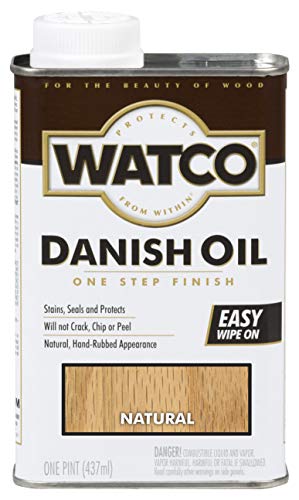
Watco Danish Oil is an oil-based formula that blends oil and varnish for deep penetration and protection. It’s suitable for a variety of indoor wood surfaces and dries to the touch in about six hours, covering up to 85 square feet. This finish combines ease of application with enhanced durability and a natural look, making it a solid choice for bare or previously finished wood that needs refreshment without a heavy film.
Minwax Paste Finishing Wax
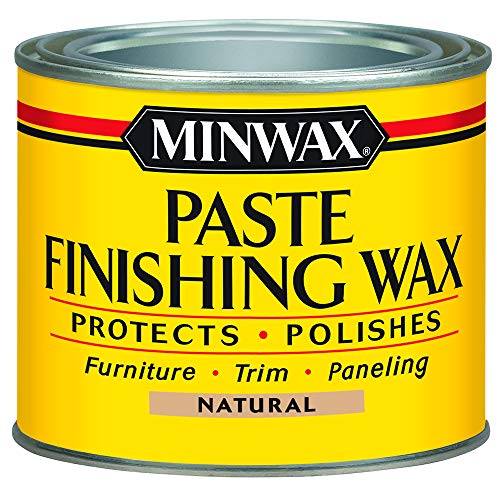
Minwax Paste Finishing Wax protects and adds a hand-rubbed luster to finished wood. It’s ideal for furniture, antiques, and woodwork that don’t require a hard polyurethane layer. Apply a thin coat, let dry for 10–15 minutes, then polish with a cloth, buffer, or polisher to bring out a warm, natural sheen. This wax finish is easy to use and reworkable for small touch-ups and refinishing projects.
Buying Guide
Choosing the right finish hinges on how you want the wood to look and how it will be used. Oil-based options offer depth and durability but may have more odor and longer cure times. Water-based finishes reduce odor and cure quickly but can produce a lighter color. Consider indoor versus outdoor exposure, cleaning needs, and whether you want a penetrating oil, a surface wax, or a film-forming varnish.
Finish Type And Application
- Penetrating oils (tung oil, linseed oil blends) enrich color and feel like part of the wood.
- Wax finishes add luster and offer easy upkeep but provide lighter protection.
- Danish and traditional oil finishes strike a balance of color, depth, and durability.
Durability, Maintenance, And Recoats
- Oil finishes often require reapplication over time as they wear; wax finishes can be refreshed by re-buffing or re-waxing.
- Surface films (polyurethanes) deliver strong protection but may alter the natural look more than oils or waxes.
- Durability should match the expected wear: furniture surfaces benefit from tougher finishes; decorative pieces may prefer a more natural touch.
Safety, Odor, And Environment
- Water-based formulas tend to emit fewer VOCs and odors, suitable for small spaces.
- Food-safe certifications matter for utensils, cutting boards, or countertops that come into contact with food.
- Indoor use often prioritizes low odor and easy cleanup; outdoor projects require weather-resistant finishes.
Aesthetic And Color Considerations
- Choose between natural, warm amber, or richer tones by layering coats or selecting a specific stain or oil.
- Sheen levels range from matte to satin to gloss; your choice affects how grain and texture are perceived.