Best Glue for Foam Insulation Boards: Fast, Strong Bond Solutions
Choosing the right glue for foam insulation boards is essential to create durable and energy-efficient installations. The adhesives below are well-suited for bonding foam boards in both interior and exterior environments, from basement walls to attic soffits. Each option is evaluated for foam compatibility, bond strength, and ease of use, helping you select a product that delivers a clean finish and lasting performance on common foam board substrates, including EPS and XPS.
| Product | Brand | Best For | Key Features |
|---|---|---|---|
| Loctite Power Grab Express Heavy Duty Construction Adhesive | Loctite | Foam board bonding; interior & exterior | Instant grab; heavy duty; dries white; paintable; bonds to wood, drywall, tile, foamboard |
| Beacon Foam Tac Adhesive Foam Glue | Beacon | Foamboard projects; flexible bonding | Outstanding foam glue; dries flexible; bonds to PET/foam types including EPS |
| Hot Wire Foam Factory Foam Fusion Glue | Hot Wire Foam Factory | EPS/XPS foam boards; permanent hold | Solvent-free; permeates cells; temperature resistant |
| Aleene’s Felt and Foam Glue | Aleene’s | Foam crafts and board bonding | Instant grab; thick formula; dries strong; 4 fl oz |
| Foam Bond 60 | TYTAN PROFESSIONAL | Foam panels; fast-tacking projects | 60-second dry time; universal; durable bond |
Loctite Power Grab Express For Foam Board
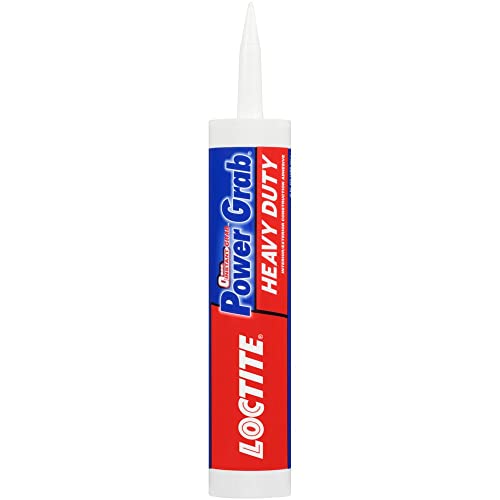
Loctite Power Grab Express Heavy Duty Construction Adhesive is designed for instant grab, reducing the need for nails and bracing on vertical foam board installations. The high initial tack helps position foam sheets quickly and hold them in place during curing, a critical feature when working with large foam panels. The adhesive dries white and is paintable, delivering a clean, professional finish once set. It’s formulated as a heavy-duty bond that works across a wide range of materials, including foam board, wood, drywall, plaster, ceramic, concrete, masonry, brick, cork, and vinyl cove base, making it a versatile choice for mixed-material assemblies.
This product is particularly suitable for interior and exterior projects where foam boards must withstand mounting loads or long-term exposure. Proper surface preparation, such as cleaning and ensuring a dust-free, dry contact area, will maximize bond strength. Curing times will vary with temperature and humidity, so plan for tack time followed by full cure before finishing work.
Beacon Foam Tac Adhesive For Foam Board

Beacon Foam Tac Adhesive Foam Glue is designed specifically for foam applications, delivering a flexible bond that remains resilient as foam moves or relaxes. The adhesve dries fully flexible, which helps prevent cracking or delamination on foam boards caused by expansion and contraction. It bonds to all common rc foams, including EPO, Polystyrene, and Depron, offering a reliable option when working with various foam substrates. The foam-friendly formula minimizes potential damage to delicate foam surfaces, making it suitable for craft and lightweight construction projects where foam boards are a primary material.
Users should apply a thin, even layer and press foam pieces firmly in place to achieve an even bond. Since it dries flexible, it accommodates minor surface irregularities without creating a rigid, brittle joint. Ideal for projects that require quick handling without sacrificing foam integrity, though precise alignment before pressing is advisable due to the adhesive’s tack.
Hot Wire Foam Factory Foam Fusion Glue

Foam Fusion Glue from Hot Wire Foam Factory is a versatile, solvent-free adhesive designed for EPS and other foam board types. It permeates around the foam cells for a strong, permanent hold, which reduces the risk of delamination on foam-panel assemblies. The solvent-free formula minimizes potential damage to foam surfaces and is suitable for projects where long-term stability matters. Temperature resistance adds reliability in environments with temperature fluctuations, helping maintain a consistent bond across seasons. It’s particularly effective for bonding foam panels to other porous or non-porous substrates.
Because it’s designed for foam, Foam Fusion Glue tends to perform best when surfaces are clean, dry, and lightly scored or keyed to improve adhesion. Apply evenly along the joint and clamp or weight the pieces during cure to ensure a uniform bond. This adhesive is well-suited for craft-level insulation projects and more demanding foam board installations alike.
Aleene’s Felt And Foam Glue

Aleene’s Felt and Foam Glue is a tacky adhesive designed for foam crafts and board bonding, offering instant grab and a strong hold. Its thick formula is not runny, reducing squeeze-out and messy joints on foam boards or felt overlays. The 4-ounce bottle provides sufficient coverage for modest foam-board projects or craft-scale insulation applications, where a quick-set bond is beneficial. While not a heavy-duty construction adhesive, it excels in DIY foam projects, educational builds, and decorative installations that require reliable tack without needing power tools or clamps.
Users should apply a modest amount along the edge or seam, press pieces together, and allow adequate cure time before handling. Because the glue dries to a strong bond, it’s best used when the joined surfaces won’t bear heavy loads immediately after assembly. It’s particularly popular for craft projects that combine foam boards with fabric or felt accents.
Foam Bond 60 For Foam Panels
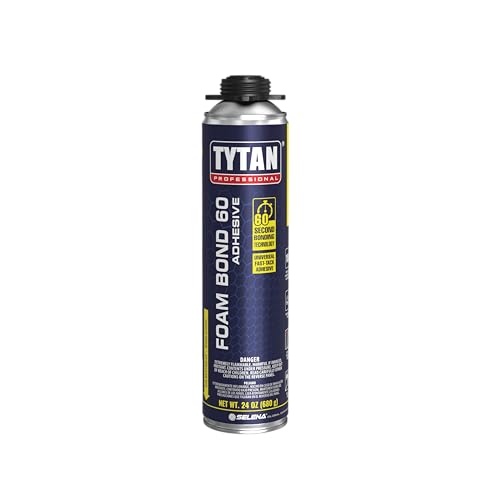
Foam Bond 60 from TYTAN PROFESSIONAL is a polyurethane adhesive designed for foam panels, with a universal fast-tack technology. It provides rapid adhesion, delivering a strong bond in about 60 seconds, which can significantly reduce project time and the need for extra fasteners. The product is suitable for a variety of foam-related applications, including foam panels, shiplap, wall paneling, trim, molding, gypsum board, and more. It’s formulated to be durable and long-lasting, making it a practical choice for both DIY and professional installations where quick handling is essential.
When using Foam Bond 60, ensure proper surface preparation and a clean, dry joint. The quick set reduces clamp time but requires careful alignment before the adhesive cures. It’s important to follow the manufacturer’s instructions regarding open time and curing to achieve the best results on foam-based builds.
Buying Guide
Key purchase considerations influence long-term results when bonding foam insulation boards. This guide outlines different perspectives to help you choose the right adhesive for your project.
- Foam compatibility: Verify the adhesive is safe for EPS/XPS and other foam substrates. Some glues can degrade certain foam types; prefer foam-specific formulas or solvent-free options if foam integrity matters.
- Bond strength and open time: For large foam-panel installations, a strong initial grab can hold panels in place while curing. If you need repositioning, choose a product with a longer open time.
- Surface type and multi-material use: If bonding foam to wood, drywall, or metal, ensure the adhesive offers good adhesion across materials. For interior vs exterior use, consider weather resistance and UV stability if exposed.
- Cure time and handling: Fast-drying adhesives accelerate projects but can reduce alignment time. Plan cure periods and consider whether you’ll need clamps or weights to secure joints.
- Finish and paintability: For finished spaces, paintable adhesives simplify final aesthetics. Check if the product dries white or clear and whether painting is recommended.
- Temperature and humidity ranges: Some adhesives perform better in controlled temps; outdoor installations may require formulas with broader temperature resistance.
- Odor and safety: Low-VOC, non-toxic options are preferable for indoor projects, particularly in living areas, schools, or offices.
- Ease of application: Caulking gun compatibility, squeeze-out control, and squeeze tube formats impact ease of use, especially for large projects.
- Cost per square foot: Compare price to coverage rate and curing time to evaluate overall project value, especially for DIY remodels or professional builds.
In practice, pairing a foam-specific adhesive with a clean, flat surface and proper edge-to-edge contact typically yields the strongest bonds. For projects requiring quick assembly, select a product with fast grab and a durable finish. For delicate foam types, a flexible or solvent-free option reduces risk of damage. Always follow the manufacturer’s instructions for surface preparation, application, and curing to optimize performance on foam insulation boards.