Best GPS Trackers for Construction Equipment: Rugged Asset Tracking Solutions
Construction sites demand reliable visibility into the location and status of heavy equipment. The following five GPS trackers are well-suited for construction fleets, emphasizing long battery life, rugged builds, strong magnetic mounting, and global coverage. Use the at-a-glance table below to compare core capabilities, then read detailed product sections to understand how each model performs on real worksites.
| Product | Brand | Battery Life (typical) | Key Strength | Subscription |
|---|---|---|---|---|
| Tracki Pro GPS Tracker for Vehicles | Tracki | 2–7 months | Massive battery and global 4G coverage | Required |
| Trak-4 GPS Tracker for Vehicles, Assets, Equipment | Trak-4 | 12–18 months | Rugged, long-life design with indoor tracking | Required |
| Benbengo Magnetic GPS Tracker for Vehicles | Benbengo | Up to 7 months | Strong built-in magnet for discreet mounting | Required |
| Cube GPS Tracker for Vehicles | CUBE | 1 Year | Magnetic attachment and simple setup | Required |
| Optimus 3.0 GPS Tracker | OPTIMUS | Up to 2 months | Heavy-duty magnets and rugged case | Required |
Tracki Pro GPS Tracker for Vehicles
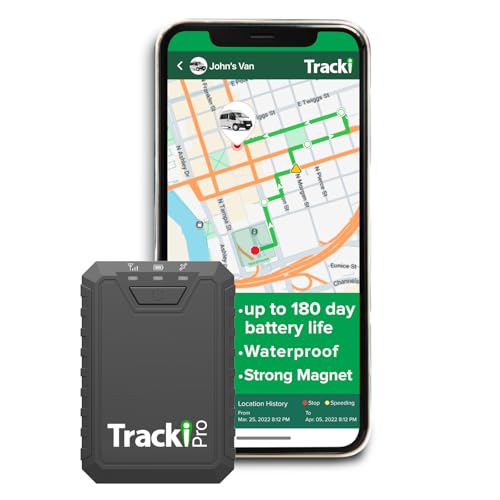
Tracki Pro is designed for heavy-duty asset tracking with a large, built-in 10,000 mAh battery. In normal use it can run 2–7 months per charge, with battery saver modes extending life further. The device is waterproof and uses a powerful magnet for discreet mounting under vehicles or on metal equipment, ideal for construction gear that sits idle for long periods. It operates on 4G LTE with fallbacks to 3G/2G and supports GPS, GLONASS, QZSS, and BDS satellite systems. Real-time location is available globally, even in urban canyons where GPS is challenged, thanks to Wi‑Fi location as a backup indoors.
Tracki pairs robust coverage with multi-alert functionality, including geofence, movement, and low-battery notifications, all accessible via a web dashboard or mobile app for team sharing. The device’s compact size (roughly 3.54 in x 2.52 in x 1.34 in) makes it suitable for concealment on undercarriage undersides or within metal equipment housings. A monthly plan is required to access the tracking network, and longer commitments can help reduce ongoing costs. Tracki’s flexibility makes it a strong fit for fleets and single-site construction operations alike.
Mini GPS Tracker for Vehicles: GF11-M3
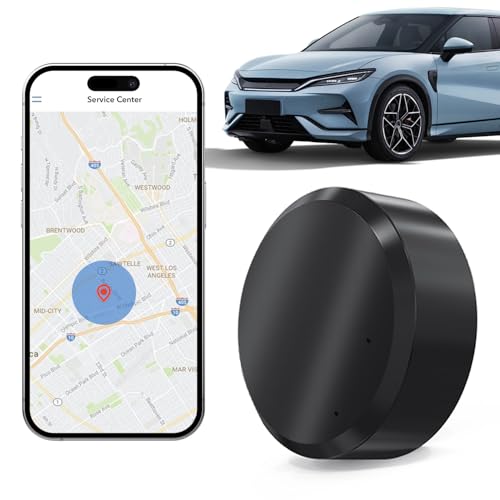
The compact GF11-M3 mini tracker from k oyetubs provides real-time GPS tracking with a tiny footprint suitable for discreet mounting on smaller equipment or behind panels. It supports real-time location updates to a smartphone and is designed for easy setup: insert a valid SIM card, place the tracker in the asset, and monitor via a straightforward app. The device is compact (about 1.1 x 1.1 x 0.53 inches) and globally GSM-compatible, ensuring reliable service across borders for vehicles, trailers, and portable equipment used on construction sites.
With a straightforward setup and portable form factor, this tracker emphasizes easy installation on diverse assets. It emphasizes real-time updates and broad compatibility, making it attractive for teams that need quick deployment and ongoing monitoring. Note that ongoing service requires a subscription, and the device is best used on relatively smaller equipment or assets that can be easily concealed or mounted in tight spaces.
Bouncie GPS Tracker for Vehicles
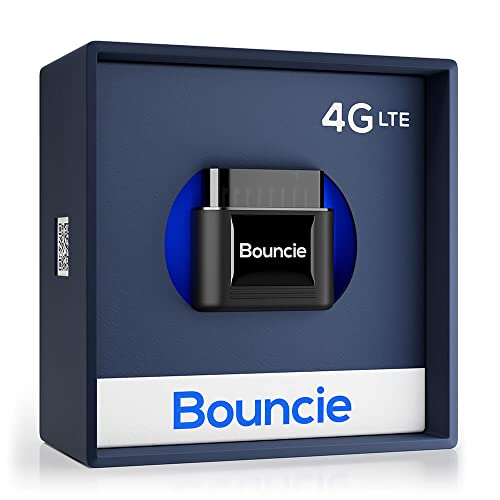
Bouncie offers real-time GPS tracking with route history and speed monitoring, a useful feature for fleet management on job sites. It provides route history and driving insights that help assess fleet utilization and driver behavior, while geo-fencing alerts help supervisors maintain site security and asset control across a construction yard or remote worksite. The device also monitors vehicle health data to flag maintenance needs, potentially reducing downtime. A monthly subscription is required to access ongoing data streams and historical reporting.
Designed for fleets, Bouncie emphasizes quick deployment and broad coverage along with fleet-focused features such as route history and speed analytics. It is suitable for monitoring multiple vehicles or trailers across large sites, providing actionable insights for asset protection and operational planning. As with other trackers, ensure ongoing service costs fit your project budget and site management workflow.
Planetbod GPS Tracker for Vehicles

Planetbod emphasizes a privacy-forward approach by integrating with Apple’s Find My ecosystem for crowd-sourced location updates and no monthly fees. This approach can be attractive for personal assets and international travel where ongoing subscription costs are a concern. The tracker uses a hybrid approach with Bluetooth proximity beeps and real-time GPS mapping and claims encrypted, privacy-first data handling. It’s positioned as a discreet option for tracking cars and other assets without a monthly commitment, though feature depth may vary by usage scenario.
For high-value items or international use, Planetbod’s proximity-based alerts and crypto-like data privacy can be appealing. Because it leverages crowd-sourced networks rather than a traditional carrier plan, evaluate whether coverage meets your site’s geographic and security needs. It’s best suited for assets that benefit from a no-monthly-fee model and where Find My-style updates are sufficient for security and recoveries.
Buying Guide
Key purchase considerations for GPS trackers used with construction equipment include battery life, ruggedness, mounting options, and service terms. In harsh environments, a waterproof, vibration-tolerant case and a strong magnet enable secure attachment to trucks, trailers, loaders, and backhoes. Battery life matters when equipment sits idle or is difficult to access for charging. Consider whether to prefer a plug-and-play solution with a long-life battery or a rechargeable unit with more frequent charging cycles.
Other important factors are network technology and indoor tracking. Global coverage with 4G LTE and fallback options ensures connectivity on remote sites, while Wi‑Fi-based location improves accuracy inside warehouses or buried under metal. Geofencing, alert customization, and real-time data access are essential for proactive asset protection and fleet accountability. Pairing a tracker with a centralized dashboard supports multi-site oversight and maintenance planning across a construction fleet.
Comparison Highlights
- Battery life: For long-term deployments, units like Trak-4 (12–18 months) and Cube (1 year) offer the longest intervals between charges.
- Mounting: Strong magnets and rugged housings enable quick, discreet mounting on equipment or trailers without intrusive installation.
- Networking: A mix of 4G LTE with 3G/2G fallbacks ensures operation on older networks and in remote areas; Wi‑Fi and satellite backups improve indoor tracking.
- Cost of ownership: Most options require a subscription; longer commitments can reduce monthly costs, so estimate total cost of ownership over project lifespans.
- Privacy and security: Some models emphasize encrypted data or privacy-friendly modes, which may influence selection for sensitive assets.
Asset Management Scenarios
For large construction fleets, consider a tracker that provides real-time location, route history, and geofence alerts across all vehicles and trailers in the yard and on-site. For smaller crews or equipment moved between sites, a compact, magnet-mounted device with a year-long battery offers a low-maintenance solution. In urban jobsites or indoor areas, Wi‑Fi-assisted positioning significantly improves accuracy. When selecting a model, align battery life, mounting ease, and data accessibility with site operations, maintenance schedules, and security requirements.