Best Grits for Sanding Metal: Top Sandpaper Picks for Metal Finishing
Metalworking projects start with the right surface prep. The proper grit removes rust, strips coatings, and yields a smooth finish without harming the metal. This guide reviews five reliable sandpaper and sponge options for metal sanding, spanning coarse to ultra-fine ranges. Each entry notes grit range, material, and typical metal applications to help you choose for rust removal, deburring, polishing, and finishing tasks. Selecting a set that fits your project and tools can streamline preparation and deliver consistent results on steel, aluminum, and other metals.
| Product | Brand | Grit Range | Best For |
|---|---|---|---|
| S&F STEAD & FAST Sanding Sponge | S&F STEAD & FAST | 60–220 | Rust removal, shaping, and finishing on metal |
| Atosun 45-Pack Wet/Dry Sandpaper | Atosun | 120–5000 | Metal finishing, automotive polishing, wet sanding |
| Aiyonoyia 20-Piece Sandpaper Variety Pack | Aiyonoyia | 120–3000 | Multi-surface finishing including metal |
| HSYMQ 24-Piece Sandpaper Variety Pack | HSYMQ | 120–3000 | General metal and wood sanding, wet/dry |
| BAISDY 45Pcs Wet/Dry Sandpaper Pack | BAISDY | 400–3000 | Fine finishing, metal and automotive work |
S&F Sanding Sponge Set (60-220 Grit)
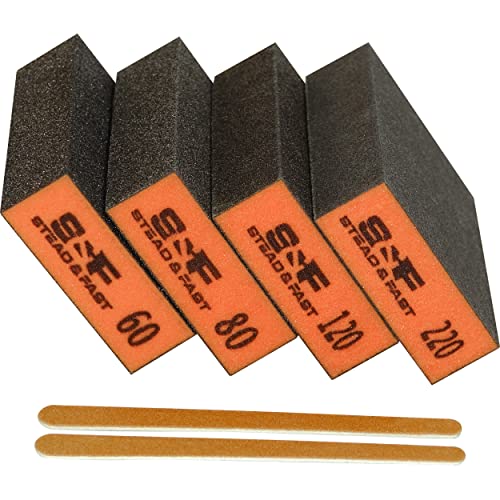
S&F STEAD & FAST’s sanding sponge set uses four grits—60, 80, 120, and 220—on premium European foam. The aluminum oxide abrasive delivers solid metal prep with a smooth finish. The durable foam core fits curved surfaces and stays comfortable for extended sanding, making it suitable for rust removal, coating stripping, and finishing on steel, aluminum, and other metals. It also handles light wood or drywall tasks, offering versatile use across projects.
In practice, the four grits cover a broad range of metal work. Start with 60 or 80 to remove coats and corrosion, then use 120 to even the surface, and finish with 220 for a ready-to-coat look. The sponge format helps reach corners and rounded edges that fixed sheets miss, minimizing gouges and ensuring uniform texture. For best results, maintain light, even pressure and keep the surface slightly damp when working on hard metals to reduce heat buildup.
Beyond metal, this set can support smaller DIY tasks where contouring and edge work matter. It’s a practical all-purpose option when you need quick changes from heavy material removal to a finer polish without swapping tools. The four-grit range is especially handy on irregular parts like brackets, housings, and fabrications where rigid sheets struggle to follow curves.
Atosun 45-Pack Wet/Dry Sandpaper

Atosun’s 45-piece set covers grit 120 through 5000 in three sheets per grit. The waterproof silicon carbide and electro-coated construction resist tearing, making it durable for metal prep, automotive polishing, and wet sanding. The 9 x 3.6 inch sheets fit most standard blocks and can be folded for tight edges, delivering consistent sanding on metal surfaces.
For metal work, begin with 120–180 to remove rust or coatings, then move through 400–800 for smoothing, and finish with 3000–5000 to achieve a bright metal surface. The wide range in one package supports rust removal, scratch smoothing, and polishing without switching brands. The waterproof design helps keep dust down and cool the metal during longer sessions, which is especially helpful on aluminum and delicate oxide layers that burn easily.
Users benefit from the ability to pair these papers with a sanding block or a hand-held sponge, enabling both flat and contoured areas to be addressed. The assortment is well-suited for automotive prep, metal fabrication, and general maintenance where a single kit must handle heavy removal and final finishing with minimal tool changes.
Aiyonoyia 20-Piece Sandpaper Variety Pack

Aiyonoyia’s 20-sheet variety pack includes 120, 240, 320, 400, 600, 800, 1200, 1500, 2000, and 3000 grits, with two sheets per grit. The 9 x 3.6 inch sheets fit standard blocks and can be cut for custom shapes. This range supports metal prep from rust removal to fine finishing, while also handling woodworking and automotive tasks. The back lists grit for quick identification, aiding quick selection on busy jobs.
The soft backing improves grip and control, reducing hand fatigue during long sessions. The kit supports wet or dry sanding, enabling dust control and smoother results in tight spaces. For metal projects, you can move from aggressive grits like 120–180 to smoother finishes such as 800–1500, and finally to 2000–3000 for a polished look before coating or painting. The versatility makes it a practical all-round choice for hobbyists and professionals working across materials.
HSYMQ 24-Piece Sandpaper Variety Pack

HSYMQ’s 24-piece pack offers 12 grit pairs from 120 to 3000, with two sheets per grit. The 9 x 3.6 inch sheets are waterproof and designed for wet or dry sanding, making them suitable for metal finishing, tool maintenance, and general prep. The range spans rust removal to fine smoothing, providing a steady progression for metal surfaces that require both material removal and a clean, ready-for-coating finish.
The grit numbering is printed on the back for quick identification, and the flexible sheets conform to curves and contours on metal parts. This makes the set useful for automotive metal work, hobby machining, or finishing components with tight radii and welds. For best results on metal, pair coarse grits with careful pressure and keep surfaces cool to minimize heat-affected zones.
Overall, HSYMQ’s selection covers essential steps from deburring and rust removal to surface prepping for paint or sealant. The pack’s dual-sheets-per-grit setup helps ensure you have ready replacements as you progress through a project, reducing downtime between steps.
BAISDY 45Pcs Wet/Dry Sandpaper Pack
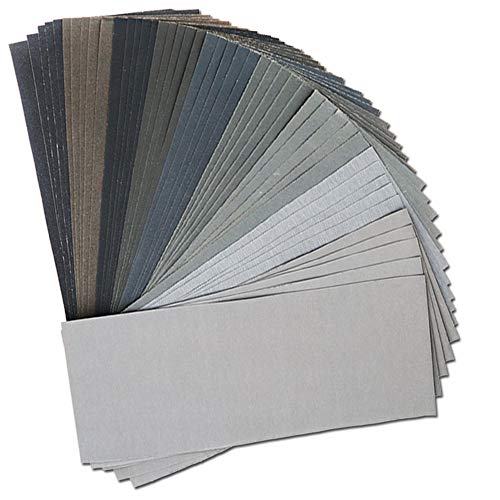
BAISDY’s 45-piece wet/dry pack provides nine grits from 400 to 3000, with five sheets per grit. The 9 x 3.6 inch sheets are suitable for automotive finishing, metal prep, and woodworking. The wet/dry design helps control dust and keeps metal cooler during sanding, which is beneficial for delicate coatings and heat-sensitive alloys.
Progress from mid-fine to ultra-fine grits to reduce scratch visibility and prepare surfaces for painting or coating. The large grit range in one package makes it practical for varied metal projects and quick cleanup after a job. The mix of grit densities supports tasks from deburring welds to final polishing on door handles, brackets, or metal trim without swapping packs mid-project.
Buying Guide
Choosing grit sets for metal sanding requires balancing material type, grit range, and the intended finish. Metal surfaces benefit from a deliberate progression: start with coarse grits to remove rust or coatings, then advance through mid grits for leveling, and finish with fine to ultrafine grits for a smooth, paint-ready surface. Selecting the right kit depends on project scope, tool compatibility, and whether you prefer a single multi-pack or separate grits.
- Grit range and sequence: For metal, a typical progression is from around 60–120 for initial removal, 180–320 for deburring and smoothing, and 400–1200 for refining. Ultra-fine grits (1500–3000) are ideal for polishing metal to a bright finish.
- Wet vs dry: Wet sanding reduces dust and cools the surface, which helps on hot metals like aluminum and stainless steel. Dry sanding is faster for rough shaping but creates more particulates and heat.
- Abrasive material: Aluminum oxide is common for metal work, balancing durability and cut rate. Silicon carbide offers sharper cutting on harder metals and is often preferred in wet/dry papers for metal finishing.
- Backing and coating: Electro-coated papers resist shedding and deliver a consistent cut. Waterproof papers enable use in wet sanding and extend life in damp environments.
- Sheet size and compatibility: A standard 9 x 3.6 inch size fits most blocks; sponge blocks excel on contoured surfaces. Check compatibility with your current sanding system to maximize efficiency.
- Durability and value: If you sand frequently, a larger multi-pack often reduces cost per sheet and ensures you have the right grit ready for the next step without interruptions.
When choosing, also consider your metal type and coating state. Rusted iron might require more aggressive grits first, while polished aluminum typically benefits from shorter exposure to coarse grits and a quick transition to finishes. By matching grit progression to the metal and finish you want, you can optimize speed, minimize heat buildup, and achieve consistent results across projects.