Best Hand Held Planers for Precision Woodworking Projects
Hand held planers are essential tools for finishing edges, cleaning up stock, and preparing boards for joinery. When choosing one, consider motor power, planing width, depth adjustments, weight, and dust control. Corded models offer steady power, while cordless units provide portability at the expense of runtime. The five models below balance power, capacity, and usability for common American projects—from door fitting to trim work. The table that follows highlights key specs at a glance to help you compare quickly.
| Product | Brand | Cut Width | Power | Notable Feature |
|---|---|---|---|---|
| WEN 6530 6-Amp | WEN | 3-1/4 in | Corded 6 Amp | 16 depth stops; rabbeting guide |
| WEN 6534 8-Amp | WEN | 4-3/8 in | Corded 8 Amp | Largest planing width among the group; 16 stops |
| Bosch PL2632K | Bosch | 3-1/4 in | Corded 6.5 Amp | Dual-mount guide fence; safety shield |
| WEN 6528 3.8-Amp | WEN | 2-3/8 in | Corded 3.8 Amp | Lightweight; 9 depth stops |
| Ryobi P611 Cordless | RYOBI | 3-1/4 in | Cordless 18V ONE+ | Automatic kickstand; onboard blade wrench |
WEN 6530 6-Amp Planer
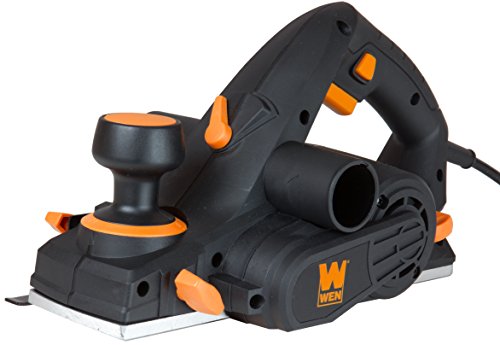
The WEN 6530 combines a 6 Amp motor with 34,000 cuts per minute, enabling fast stock removal on hardwoods and softwoods alike. It offers 16 positive depth stops, allowing you to set exact cuts from 0 to 1/8 inch for clean finishes. The included 5/16 inch rabbeting guide supports rabbets up to 1 inch, making it a versatile option for edge work and light cabinetry tasks. Its compact footprint improves maneuverability on long boards and tight project spaces.
Designed for hobbyists and pros who prioritize reliability, the 6530 strikes a balance between power and control. Use sharp blades and check depth settings regularly to maintain accuracy. As a corded model, you won’t worry about battery life, and the durable construction helps maintain consistent performance across sessions. This planer excels in trim work, door adjustments, and small stock removals where precision matters.
WEN 6534 8-Amp Planer
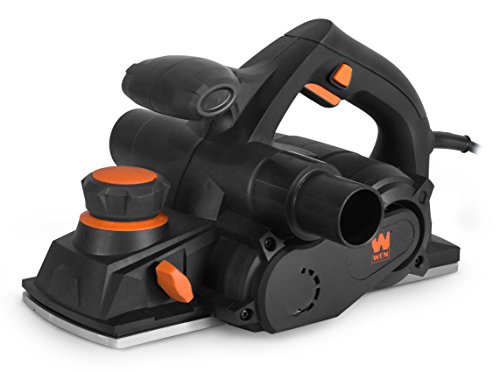
The WEN 6534 raises the bar with an 8-Amp motor and a broad 4-3/8-inch cutting capacity, ideal for quickly planing larger stock such as 2x4s and 4x4s. It maintains 32,000 cuts per minute and includes 16 positive stops to adjust depth from 0 to 1/8 inch, ensuring a consistent finish across long surfaces. The bigger capacity reduces pass counts, saving time on heavy duty tasks while preserving surface quality on hardwoods and softwoods alike.
For builders and cabinet makers who work with wider boards, the 6534 provides stability and control even when removing significant material. The planer’s power and width come with added weight, so comfortable stance and a solid work surface are recommended. Pair it with proper dust collection and sharp blades to maximize material removal without tearing or scoring the edges.
Bosch PL2632K Planer Kit

The Bosch PL2632K delivers 6.5 Amp power with about 16,500 RPM for fast stock removal and a smooth finish. A standout feature is the dual-mount guide fence, which can be mounted to either side, helping ensure consistent planing across the workpiece. The package includes a protective shield and non-mar plastic overshoes, reducing surface damage during aggressive passes. An ambidextrous lock-off release button and a lock-on button enhance safety and extended operation on longer tasks.
This model suits users who value precise edge work, uniform stock removal, and flexible setup. The dual-mount fence improves alignment on long boards, while the safety features reduce the risk of accidental starts. It’s well suited for cabinetry, trim work, and finishing tasks where a reliable, controllable planer is essential.
WEN 6528 3.8-Amp Planer

The WEN 6528 uses a 3.8-Amp motor to deliver up to 32,000 cuts per minute, making it suitable for light to moderate stock removal. It features 9 positive stops to adjust depth from 0 to 1/16 inch, enabling precise, fine finishing on both softwoods and hardwoods. Its lightweight design—about 4.3 pounds—facilitates comfortable handling during longer sessions or intricate edge work.
With a compact 2-3/8 inch cut width, this model shines in detailed tasks, molding, and edge trimming where maneuverability matters. It’s a practical, affordable choice for hobbyists or small-shop projects that don’t require heavy stock removal. Regular blade maintenance and correct depth settings will maximize its performance and consistency across tasks.
Ryobi P611 Cordless Planer

The Ryobi P611 is a cordless 3-1/4 inch planer in the 18-volt ONE+ system, offering portability for locations without easy access to power. It can remove material at about 1/16 inch per pass at full width, providing steady performance for on-site adjustments and field projects. The automatic kickstand helps prevent marring when resting the tool between passes, and onboard blade wrench storage keeps blade changes quick and organized.
Ideal for jobs on ladders, decks, or repair work where a cordless option is necessary, the P611 shines for light-to-moderate planing tasks. It’s best suited for edge leveling on short boards and quick cleanup on the go. Consider battery availability and replacement blades when planning broader projects that require extended runtime.
Buying Guide
Power Source And Motor
Corded planers deliver consistent power and are ideal when you have reliable access to outlets. They excel at heavier stock removal and longer sessions. Cordless models offer portability and convenience for on-site tasks, but runtime depends on battery capacity. Look at motor amperage (6–8 Amp range for heavy use, 3–4 Amp for light work) and no-load RPM to gauge efficiency and finish quality. A higher RPM with a roomy cutting width often means faster stock removal but may require more blade care to avoid chatter.
Cutting Capacity And Depth Control
Cutting width determines how much stock you remove in a single pass. Wider widths reduce the number of passes, especially on larger boards. Depth stops (the number of fixed positions) impact how precisely you can control material removal. For fine finishing, a model with multiple depth stops and a smooth adjustment mechanism helps achieve consistent results across long pieces. Consider whether you need rabbeting capabilities for dadoes and shelf tracks.
Weight, Size, And Ergonomics
Ergonomics matter for comfort over extended work sessions. A lighter planer is easier to maneuver, particularly on small or warped boards. A compact design helps when working on edge joints or narrow stock. Balance and grip quality influence control, especially when planing along long runs. If you plan to work overhead or in tight spaces, a lighter, well-balanced tool reduces fatigue and increases accuracy.
Safety Features
Lock-off switches, ambidextrous controls, and lock-on features improve safety during extended use. A safety shield or non-marring overshoes reduces damage to the workpiece. A kickstand can prevent gouges on finished surfaces between passes. When using any planer, always wear eye and ear protection and keep hands away from the blade path.
Dust Management And Blades
Dust collection can significantly improve visibility during planing and reduce cleanup after. Some models include built-in guards or are optimized for vacuum attachments. Blade quality and availability influence performance and cost. Carbide blades last longer and stay sharp under tougher materials, but metal knives are common and affordable. Ensure you have a spare set of blades on hand for longer runs or hardwood work.
Choosing The Right Model For You
For small, occasional projects, a compact 2-3/8 inch model with modest RPM and 9-depth stops can be sufficient. If you frequently work with larger stock or hardwoods, a 4-3/8 inch planer with a higher amperage motor speeds up tasks and reduces passes. If versatility and job-site portability are priorities, a cordless planer offers unmatched convenience, provided you have reliable battery life and quick blade changes. Balance budget with required capacity, weight, and safety features to pick the best fit for your workshop.