Best Insulation for Soundproofing Walls: Top Picks for Quiet, Private Rooms
Noise leaks through walls can disrupt work, study, and relaxation. The right combination of blocking materials and sound-absorbing panels can dramatically improve room quietness. This guide highlights five proven products that address common wall soundproofing challenges, from blocking external noise to dampening echoes and reverberations inside. Each option serves a different role in a complete soundproofing strategy, helping you tailor a solution to your space and budget while staying practical for typical American homes and studios.
Summary table of chosen products
| Product | Brand | Type | Approximate Coverage | Key Benefit |
|---|---|---|---|---|
| Mass Loaded Vinyl Wall Barrier | Trademark Soundproofing | Mass Loaded Vinyl (MLV) | 100 sq ft | Blocks sound transmission through walls and floors |
| Acoustic Foam Panels | Saiqiang | High-density foam wedges | Approx. 12 sq ft | Absorbs echoes and reduces reverberation |
| Acoustic Foam Panels | JBER | High-density foam wedges | Approx. 12 sq ft | Improves clarity with fire-retardant foam |
| Curved Foam Panels | Knightsacoustic | 2″ curved foam panels | Approx. 36 sq ft | Diffuses sound with curved grooves |
| Quieture Soundboard Panels | MP Global Products | Fiberboard soundproofing panels | 96 sq ft | High sound reduction with eco-friendly fibers |
Mass Loaded Vinyl Wall Barrier

Mass Loaded Vinyl (MLV) is a dense, flexible barrier designed to block sound transmission through walls, floors, and ceilings. This product typically delivers high mass per area with a thin profile, helping to reduce impact and airborne noise. The featured option is marketed as a 1-pound-per-square-foot barrier with a thickness near 1/8 inch, offering substantial blocking capability without taking up valuable space. It is described as non-toxic and made from virgin materials, with a strong emphasis on durability for long-term performance.
In practice, MLV works best as a retrofit layer behind existing wall assemblies or inside stud cavities, where it can accumulate mass without requiring major reconstruction. Installation often involves cutting to fit, securing with nails or adhesive, and sealing joints to minimize gaps. While it adds significant wall mass, it does not dampen internal reflections; pairing it with absorptive panels on the room-facing surface yields a balanced solution for both external noise and internal echo control.
- 27 STC rating claim and 1/8 inch thickness offer substantial blocking without excessive thickness.
- Designed for walls, floors, and ceilings, making it versatile across rooms.
- Non-toxic, virgin material formulation supports indoor safety and long-term use.
Ideal rooms: apartments near busy streets, shared walls in multi-family housing, home theaters, and recording spaces requiring a solid baseline of noise reduction before applying absorptive treatments.
Acoustic Foam Panels: Saiqiang 12 Pack

These Saiqiang panels use high-density polyurethane foam (about 30 kg/m³) with a distinctive wedge profile. The wedge geometry increases the surface area available for absorbing mid-to-high frequencies, making them well-suited to control room echoes in studios, offices, gaming spaces, and home theaters. The density and wedge design help reduce flutter echoes and ringy decays that can color recordings or conversations. The panels are described as durable and built to withstand daily use, contributing to consistent performance over time.
Installation is straightforward: attach tiles to walls or ceilings using adhesive or tape, ensuring all edges are sealed to prevent sound leaks. While foam panels excel at absorption, they do not block external noise; they work best as part of a comprehensive approach that includes mass loading materials and perimeter sealing. The 12-pack provides flexible coverage for smaller rooms or strategic placement in mid-sized spaces.
- High-density foam with 30 kg/m³ density supports effective absorption.
- Wedge-shaped design enhances sound-damping across treated surfaces.
- Durable construction suitable for frequent use in studios and offices.
Best uses: home studios, gaming rooms, voiceover ceilings, and any space where reducing reverberation improves clarity and comfort.
Acoustic Foam Panels: JBER 12 Pack

The JBER foam panels are built from advanced 30 kg/m³ high-density polyurethane foam, designed to maximize absorption and minimize room reflections. Their 12-square-foot coverage from a typical 12″ x 12″ tile setup makes them ideal for treating compact studios, home offices, and performance spaces where sound clarity matters most. Notably, these panels integrate flame-retardant properties and hold fire-safety certifications, offering peace of mind for interior installations in occupied spaces.
Beyond absorption, JBER emphasizes sustainability through a design that preserves shape after unpacking, helping maintain consistent performance over time and limiting waste. The panels are described as versatile for irregular spaces, with a reasonable price-to-performance ratio for sound-dampening tasks in smaller to medium rooms.
- Fire-retardant foam with recognized safety certifications.
- 12 sq ft approximate coverage, suitable for focused treatment areas.
- High elasticity and resilience to maintain structure and performance.
Applications: home studios, recording nooks, podcasts corners, and office environments where echoes must be controlled without extensive wall reconstruction.
Knightsacoustic Curved Foam Panels
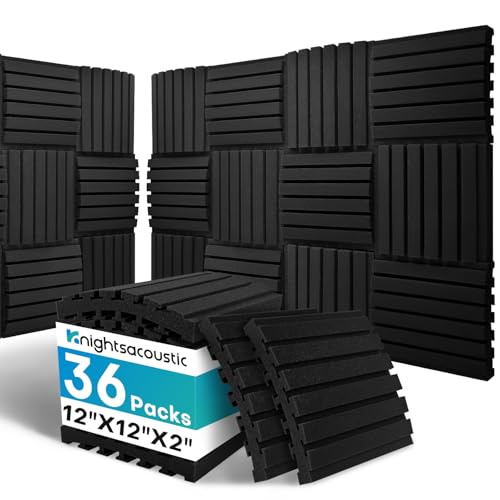
Knightsacoustic’s 36-pack features 2″ thick foam tiles with a curved groove design. The curved geometry diffuses sound waves, reducing flutter echoes and improving overall room acoustics. The larger total coverage—approximately 36 square feet—lets you treat bigger wall areas efficiently, making it a strong option for home studios, rehearsal spaces, or a media room where sound quality matters without adding heavy mass to walls.
Fabrication and performance focus on durability and elasticity, which helps panels maintain shape after installation and through use. The curved profile also adds a subtle aesthetic element to wall decor while contributing to acoustic performance. A note on odor: some flame-retardant foams may emit a noticeable odor initially; airing the panels for 24 hours can help.
- 2″ thickness for stronger low- and mid-frequency absorption.
- Curved grooves increase area and diffusion of sound waves.
- Good coverage for larger treatment areas with a single product line.
Best uses: medium-to-large walls in home studios, gaming rooms, and broadcast spaces where diffusion and absorption together create a warmer, clearer sound.
Quieture Soundboard Acoustic Panels
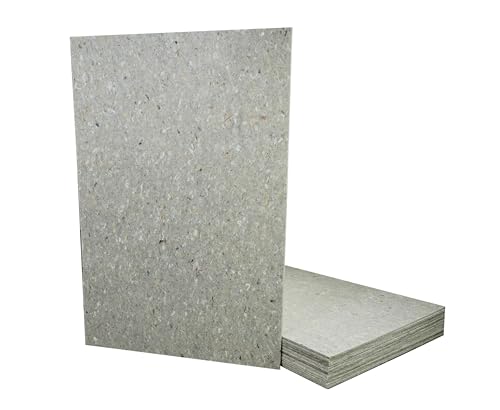
Quieture panels are fiberboard-based, designed for a blend of sound absorption and thermal insulation. The kit includes 12 panels, each measuring 2′ x 4′, totaling 96 square feet of coverage. This format suits interior walls, ceilings, and floors where a lightweight, eco-friendly solution is preferred. The 6mm thickness contributes to meaningful reductions in sound transmission while minimizing the added mass to the structure. The product emphasizes low environmental impact by using recycled fibers, aligning with sustainability goals in modern building projects.
These panels excel at providing broad-area absorption and are well-suited for rooms needing steady performance with fewer installation steps. Because they are fiberboard rather than foam, they offer a different acoustic character—often a bit more diffused across a wider frequency range. When paired with a wall-blocking layer (like MLV) behind the drywall, Quieture panels can create a balanced, more controlled acoustic environment.
- Includes 12 fiberboard panels covering 96 sq ft.
- High sound reduction over walls, ceilings, and floors.
- Eco-friendly, made from recycled fibers.
Buying Guide
Key purchase considerations help determine which products to combine for effective wall soundproofing. The core distinction is between sound blocking (mass) and sound absorption (damping). Blocks or reduces sound transmission between spaces, while absorption minimizes reflections and echoes within a space. For most walls, a combination approach yields the best performance: add mass to the wall assembly to block noise, then treat room-facing surfaces with absorptive materials to control reverberation.
Assessing your goals and space
Identify the type of noise you want to reduce. External noise from traffic or neighbors benefits most from mass-loaded barriers, while interior echoes, chatter, or music leakage respond to absorptive panels. In apartments or dense homes, focus first on blocking with MLV or other dense barriers, then finish with absorptive materials on the interior surface.
Wall structure and installation complexity
Solid, finished walls may accommodate retrofits of mass-loaded vinyl more readily than plaster or masonry without professional help. Small cavities or retrofit projects benefit from modular foam panels or fiberboard solutions, which are easier to install and adjust. Consider whether nails, adhesive, or mechanical fasteners fit your wall type and whether you need to seal edges for maximum effectiveness.
Density, thickness, and coverage
Higher density materials typically offer stronger sound blocking. For example, MLV provides substantial mass with a slim profile, while foam panels offer thinner, lighter absorption with variable thickness (1″–2″). Assess coverage area to ensure you meet your room’s needs. Quieture panels, at 96 sq ft, are well-suited for larger rooms, whereas foam tiles provide targeted treatment in smaller zones.
Fire safety and certifications
Certain materials incorporate flame retardants and safety certifications. Fire safety is especially important for rooms used by children, studios, or multi-purpose spaces. Look for panels with recognized certifications and flame retardant treatments to ensure safe use in occupied spaces.
Durability, maintenance, and long-term costs
Foam panels and fiberboard can degrade if exposed to moisture or heavy wear. Choose materials designed for your environment, such as moisture-resistant options for basements or garages. While MLV adds long-term mass, it also requires careful handling and cuts. Evaluate the total cost, including installation time and potential future upgrades, to determine the best composite approach for your budget.
Environmental impact and sustainability
For eco-conscious projects, fiberboard panels made from recycled fibers and products with low environmental footprints can be appealing. Foam panels vary in environmental profiles depending on materials and manufacturing processes. If sustainability is a priority, weigh recycled content and end-of-life considerations alongside acoustic performance.
Practical recommendations
For most residential soundproofing goals, a layered approach yields the best results. Start with a mass-loaded barrier on the wall to reduce noise transmission, then add absorptive foam or fiberboard panels on the room-facing side to control reverberation. Use edge sealing and careful cuts to minimize gaps and maximize performance. If you’re treating a home studio or theater, consider additional ceiling or floor treatments to address multi-directional sound leakage.
In summary, balance your goals, room size, and budget. The combination of a high-mass barrier with strategically placed absorbers can deliver significant improvements in both external noise reduction and internal acoustic quality, providing a quieter, more comfortable environment across various American living and work spaces.