Best Portable Miter Saw for on-the-Go Woodworking
Portable miter saws ramp up efficiency on job sites, in tight shops, or during quick home projects. The best models balance power, accuracy, and portability, letting you switch between framing, trim work, and molding without dragging heavy equipment around. This guide highlights five top choices that emphasize portability, whether you prefer corded reliability or cordless flexibility, plus helpful stands and accessories to optimize on-site cuts. Use the quick-charts below to compare core specs at a glance before diving into in-depth product details.
| Product | Brand | Type | Key Feature |
|---|---|---|---|
| Metabo HPT 10-Inch Compound Miter Saw | Metabo HPT | Corded Miter Saw | 15-Amp motor, up to 5,000 RPM, 24T blade, 0-45° bevel |
| DEWALT 20V Max 7-1/4-Inch Miter Saw | DEWALT | Cordless Miter Saw | 20V battery platform, compact, 11 positive stops |
| Ryobi 18V One+ 7-1/4-Inch Miter Saw | RYOBI | Cordless Miter Saw | Up to 900 cuts per charge; TOOL ONLY (battery not included) |
| Oshlun LG-M01 Miter Laser Guide | OSHLUN | Laser Guide | Fits multiple saws; recessed laser design for protection |
| Skil Portable Miter Saw Stand SRS0001 | Skil | Stand | Universal compatibility; quick-release mounting; 8″ wheels |
Metabo HPT 10-Inch Compound Miter Saw
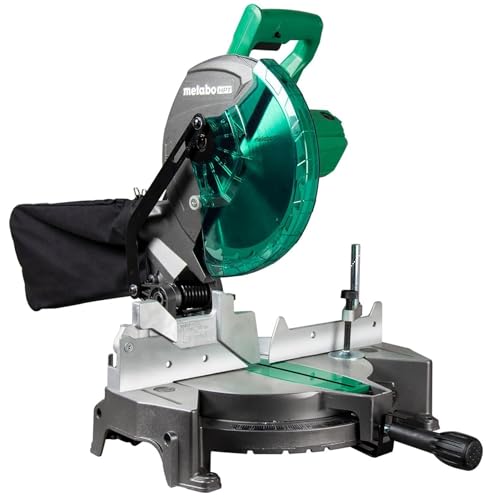
The Metabo HPT C10FCGS offers a robust mix of power and portability. Its 15-Amp motor delivers up to 5,000 RPM, enabling fast, precise cuts through trim and small framing tasks. A large 10-inch table supports longer workpieces, while thumb-actuated positive stops speed up miter adjustments for repetitive cuts. The single bevel ranges from 0 to 45 degrees, and a standard 24T carbide blade provides clean crosscuts. Weighing about 24.2 pounds, this model is easy to transport between job sites or between a truck bed and a compact workshop. This saw prioritizes practical portability without compromising basic power and accuracy.
In daily use, the Metabo HPT excels when you need dependable on-site performance in a compact package. The combination of a sturdy clamp system and a broad work surface helps you manage longer boards and trim pieces with steadiness. While not a heavy industrial tool, its balance of weight, power, and adjustable features makes it a strong candidate for framers, finish carpenters, and DIY enthusiasts who value mobility as well as reliable cuts.
DEWALT 20V Max 7-1/4-Inch Miter Saw

The DEWALT 20V Max Miter Saw brings cordless convenience to compact cutting tasks. Powered by the 20V MAX battery platform, it enables on-site operation where a corded model would be impractical. This saw emphasizes accuracy with an integrated cut line cross-cut positioning system, which helps you line up each cut without constant alignment checks. It can handle nested crown up to 3-5/8 inches and base molding up to 3-1/2 inches vertically, making it suitable for trim and small cabinet work in tight spaces. The adjustable stainless-steel miter detent plate provides 11 positive stops for repeatable accuracy in busy days.
For professionals who frequently work on-site or in spaces without reliable electrical access, the DEWALT 20V Max model offers essential portability and dependable accuracy. Its compact footprint reduces setup time, and being a cordless unit means you can move around a job site without chasing extension cords. The trade-off is typically battery management and runtime, so plan tasks with expected cut counts in mind and consider having spare cells if you’re on lengthy installs.
Ryobi 18V One+ 7-1/4-Inch Miter Saw

The Ryobi 18V ONE+ 7-1/4″ Miter Saw delivers portable, cordless performance for quick trims and small projects. It supports up to 900 cuts per charge with a 4 Ah ONE+ battery (battery not included in the bundle you’ll find online), enabling homeowners and pros to work without a power outlet nearby. The 7-1/4″ blade size keeps the tool light and compact, which is ideal when you need a simple, quick cut in tight spaces. This model favors convenience and space-saving design over heavy-duty, full-size miter capabilities.
On the job, the Ryobi saw excels for fast, light-duty tasks around the house, garden projects, or mobile setups where electricity is not readily available. Keep in mind that battery life and charge time will influence productivity on longer jobs, so plan accordingly and have a spare battery or charger if you anticipate extended use away from outlets.
Oshlun Laser Guide For Miter Saws (LG-M01)

The Oshlun LG-M01 Miter Laser Guide provides an accessible way to improve accuracy on portable saw setups. It fits most 7-1/4, 8, 8-1/4, 10, and 12-inch miter and sliding compound saws, extending cutting precision without changing your existing tool. The laser guidance is a recessed design to protect the laser from damage during deep cuts, and the guide’s slimmer profile helps it fit on compact stands or bench configurations. This accessory is particularly valuable for repeatable framing and trim work where consistent alignment matters.
For DIY enthusiasts and professionals who routinely perform repetitive miter cuts, an accurate laser guide can reduce trial-and-error adjustments and save material. Pair it with any portable setup to enhance alignment speed and cut consistency, especially when working with multiple pieces that must match precisely.
Skil Portable Miter Saw Stand SRS0001

The Skil SRS0001 portable miter saw stand is built for mobility and broad compatibility. It features quick-release mounting brackets that enable fast attachment and removal of most miter saws, a key time-saver on busy projects. The stand’s heavy-duty 8-inch wheels provide smoother transport across uneven job sites, and its overall frame is designed to support a range of saw types. This stand is ideal for contractors who need a reliable, portable workstation that can adapt to different tools.
In practice, a durable, easy-to-move stand enhances the versatility of your portable cutting setup. A stable base reduces vibration during cuts, improving both accuracy and safety. Consider stand height, ease of storage, and compatibility with your preferred miter saw size when selecting a portable stand for frequent transport.
Buying Guide
Corded Versus Cordless Power
Corded saws deliver consistent power suitable for longer, continuous work sessions, but require access to outlets and cords. Cordless models offer true portability for on-site work where outlets are scarce, at the cost of battery management and potentially shorter runtime. For occasional framing or trim tasks away from power sources, a cordless option like the DEWALT or Ryobi can save setup time. For heavy-duty, all-day use, a corded model provides predictable performance with fewer interruptions.
Blade Size, Capacity, and Cutting Versatility
Blade size often determines cutting depth and capacity. A 10-inch model typically handles larger boards and deeper cuts, while a 7-1/4″ blade keeps weight and footprint down for tight spaces. Be sure to check bevel and miter ranges (0-45 degrees or more, and stops for repeatable angles). Nested crown, base molding, and crown molding capabilities vary by model, so align your choice with common tasks—finishing carpentry versus framing—and select accordingly.
Portability, Weight, and Setup Time
Weight directly affects transportability. A lighter saw is easier to move between sites, while a heavier unit may provide added stability. Stand compatibility also matters; consider whether you prefer a dedicated stand, a universal stand, or a bench setup. Quick-release clamps and easy height adjustments reduce setup time, which is critical on time-limited projects.
Accuracy Aids and Attachments
Features like integrated cut-line indicators, laser guides, detents, and clamps improve accuracy and speed. A robust clamping system helps hold irregular pieces steady, while laser guides reduce alignment guesswork on repetitive cuts. If you work with molding or cabinetry, precision components can shorten rework and waste.
Durability, Warranty, and Value
Durability matters for job-site conditions. Look for solid construction, secure guarding, and reliable customer support. Compare warranty terms and parts availability, especially for accessories like stands and laser guides. A slightly higher upfront cost can pay off with longer service life and lower maintenance over time.