Best Primer for Brick: Top Options for Prep and Finish
Brick surfaces demand primers that seal, adhere, and anticipate their porous texture before paint, stain, or tile. This guide highlights five Amazon primers and primer-paint combos that perform well on brick, from all-surface primers to built-in primer paints. Each option is described with its core use, surface compatibility, and standout features, helping you choose based on project needs, odor, dry time, and durability.
| Product | Brand | Type | Best For | Key Benefit |
|---|---|---|---|---|
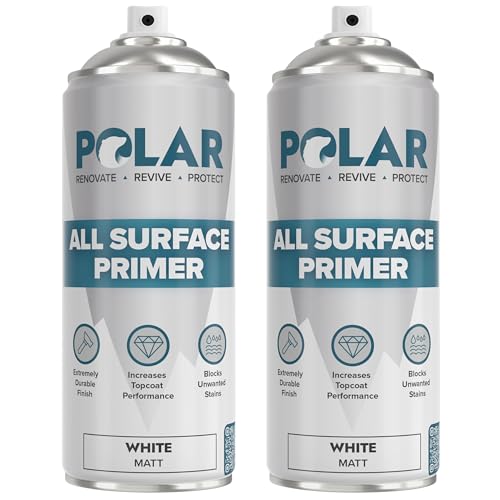
| Polar All Surface Primer Matte White | Polar Specialist Coatings | All-surface Primer | Brick, Wood, Metal | Enhanced adhesion and quick dry |
| Glidden Master Finish Satin Brick Red | Glidden | All-surface Spray Paint And Primer | Brick surfaces (interior/exterior) | Ultra-durable, fast-drying finish |
| Glidden Total Brick Dust/Red | Glidden | Paint With Primer | Exterior brick/masonry | All-in-one coverage and primer |
| EVOLVE Signature Brick Red | EVOLVE | Paint & Primer | Indoor/outdoor brick surfaces | UV resistance and durable finish |
| All-In-One Brick Paint | Heirloom Traditions Paint | Paint with built-in primer | Brick and hard surfaces | No sanding or priming required |
Polar All Surface Primer For Brick

Polar All Surface Primer is a multi-surface sealer and primer, designed to bond to brick as well as wood, metal, and plastic. It is marketed as a high-build primer that also functions as a filler for slight cracks and indentations, helping to create a uniform base before topcoats. This makes it suitable for brick that has rough texturing or minor surface irregularities, reducing the number of coats needed for a smooth finish. It supports topcoats such as epoxy, tile, self-leveling cement, latex paint, or glue-down surfaces, providing versatility for both interior and exterior projects.
Application considerations include proper surface preparation: ensure the brick is clean, dry, and free of flaking material. Because brick is porous, two thin, even coats are often preferable to one heavy application. The primer is intended to seal and bond without excessive odor, but ventilation and safety precautions remain important when applying any primer indoors. If the brick has prior coatings, spot testing is recommended to verify adhesion and compatibility with your chosen topcoat.
Glidden Master Finish Brick Red Primer
Glidden Master Finish Satin Brick Red is an all-surface spray paint and primer designed to create a ready-to-coat base on brick and other masonry substrates. The product emphasizes durability, resistance to chipping and peeling, and quick dry times, making it a convenient option for exterior brick projects or interior brick accents. Spray application provides broad coverage, especially on vertical surfaces or textured brick where brushing can be labor-intensive. It can serve as a standalone finish or as a primer for a topcoat in the same color family or a contrasting finish.
When applying to brick, masking adjacent areas is essential, and multiple light coats tend to yield a more even appearance on rough brick. The fast drying characteristic helps with shorter project timelines, but it’s important to follow the product’s recoat window and ventilation recommendations. For brick that faces weather exposure, consider additional protective topcoats or sealants designed for masonry to extend durability against UV exposure and moisture.
Glidden Total Brick Dust Exterior Paint With Primer

Glidden Total 1 gal Brick Dust/Red Semi-Gloss Exterior Paint with Primer combines paint and primer in one container, marketed for exterior brick, masonry, and other surfaces. This all-in-one formulation is designed to provide hiding power, broad coverage (up to substantial square footage per gallon), and a durable, semi-gloss finish that can be easier to clean. It simplifies project steps by eliminating a separate priming stage, which can be beneficial for exterior brick on larger surfaces where time and labor savings matter.
For exterior brick, surface preparation remains crucial: thoroughly clean, rinse, and ensure the brick is dry. Porous brick may still require multiple coats to achieve even color and protection against the elements. While this product offers convenience, it’s wise to verify compatibility with any existing sealers or coatings on the brick and to apply sealant or a clear finish if UV exposure or moisture is a concern in your climate.
EVOLVE Signature Brick Red Paint & Primer

EVOLVE Signature Paint & Primer is presented as a paint-and-primer-in-one with a brick-red finish option. It emphasizes UV resistance to protect color vibrancy when brick projects are exposed to sunlight, along with scuff resistance for durability in high-traffic areas or exterior walls. The integrated primer is intended to seal the substrate and reduce the absorption of subsequent topcoats, potentially improving consistency and reducing the number of coats needed for a long-lasting look.
This option is suitable for both indoor and outdoor brick applications, including brick façades, interior brick accents, and related masonry. For exterior use, proper surface cleaning, moisture control, and weather-appropriate application windows improve performance. Always review recoat times and ventilation guidance to maximize the coating’s longevity and color retention on brick surfaces exposed to sun and rain.
All-In-One Brick Paint By Heirloom Traditions

All-In-One Paint from Heirloom Traditions is marketed as a durable interior/exterior paint with a built-in primer and top coat, eliminating sanding and priming steps. The product card highlights that it includes a color card with brick-toned options and is designed for hard surfaces such as walls, doors, cabinets, metal, and tile. For brick projects that benefit from a streamlined process, this option can reduce prep time while delivering a finished look in a single application.
When applying a product with built-in primer to brick, ensure the brick is clean, dry, and free of efflorescence or loose material. Porous brick can absorb more pigment, so multiple light coats may yield a more even appearance. The absence of sanding reduces dust and setup time, but always test a small area to confirm color consistency and adhesion with any existing coatings or sealers on the brick surface.
Buying Guide: Key Considerations For Choosing The Right Brick Primer
Choosing the right primer or primer-paint for brick depends on a balance of surface condition, climate, desired finish, and maintenance expectations. The following considerations can help buyers compare options and select the best match for exterior brick facades, interior brick walls, or decorative brick accents.
- Surface condition and porosity: Brick is highly porous and tends to wick moisture. A primer that seals porosity and provides a consistent base helps prevent uneven color and promotes adhesion of the topcoat. For heavily textured brick, a spray-on primer or a roller with a short nap can improve coverage.
- Primer vs paint with built-in primer: If you want a simple workflow, consider a product with built-in primer. For historic brick or surfaces with previous coatings, a dedicated bonding primer or penetrating masonry primer may yield longer-lasting results.
- Compatibility with topcoats: Choose a primer that is compatible with your intended topcoat (epoxy, tile, latex paint, stain, or sealant). All-surface primers offer flexibility across different finishes, but confirm adhesion to brick and existing coatings.
- Exterior vs interior use: Exterior brick faces greater exposure to weather, UV, and moisture. Exterior-grade primers often offer improved moisture resistance, mildew resistance, and color fastness. Interior brick projects may prioritize odor control and faster dry times.
- Dry time and recoat window: Short dry times enable faster project completion, but too-rapid curing can hinder layering on rough brick. Follow manufacturer guidance for the optimal number of coats and recoat intervals.
- VOC and odor: If indoor application is required, look for low-VOC or low-odor formulations to improve indoor air quality and ease of use in living spaces.
- Finish aesthetics: For brick, you may want a matte, satin, or semi-gloss finish depending on exposure, cleaning needs, and desired look. Exterior brick often benefits from a more protective finish against soil and weathering.
- Durability and maintenance: Exterior brick coatings should resist fading, cracking, peeling, and moisture ingress. Consider a product with UV resistance, abrasion resistance, and easy cleaning properties for long-term maintenance.
- Prep requirements: Some products require minimal prep, while others demand thorough cleaning, efflorescence removal, or sealing to prevent moisture issues. Always start with a clean, dry surface for best results.
- Color choices and compatibility: If you are matching brick tones or aiming for a specific accent, ensure the color family of the primer-paint aligns with your topcoat and overall design plan. Some brick finishes may require a separate topcoat for color stability.
In choosing among these options, consider the project scope, whether you need a quick all-in-one solution or a dedicated masonry primer for best long-term durability. For exterior brick façades, prioritize products with exterior-grade durability and UV resistance. For interior brick walls or accents, prioritize low odor and ease of application, especially in living spaces. Always perform a small test area to verify adhesion, color, and finish before committing to a full project.