Best Primer for Oil-Based Paint: A Practical Guide
Choosing the right primer for oil-based paint affects adhesion, stain blocking, and finish. The five products below are widely used for interior and exterior surfaces and offer strong adhesion and solid coverage. Each item includes a concise overview to help compare stain-blocking power, drying times, and compatibility with topcoats before you start.
| Product | Key Benefit |
|---|---|
| Zinsser Cover Stain Spray | Stain-blocking, spray |
| Zinsser Cover-Stain QT | Oil-based stain blocker |
| Zinsser Bulls Eye | High-hide, water/tannin block |
| Zinsser 3954 Odorless | Low odor, interior use |
| KILZ Original | Strong stain blocker, oil-based |
Zinsser Cover Stain Oil-Based Spray Primer

This spray primer delivers strong hiding power for both interior and exterior projects. The oil-based formula seals surfaces, blocks stains, and enhances adhesion for subsequent topcoats. It is designed to hide dark colors and help prevent tannin bleed from natural wood, reducing the need for multiple coats. The spray format enables even coverage on shelves, trim, and irregular surfaces, making it a convenient choice for DIY and professional work alike.
Because the product is oil-based, it creates a durable base for latex or enamel finishes, and the ability to cover challenging substrates can streamline workflows. While the spray application speeds coverage, ensure adequate ventilation and follow solvent handling best practices. The primer is versatile across wood, drywall, and masonry, supporting a wide range of painting projects.
Zinsser Cover-Stain Oil-Based Stain Blocker (QT)
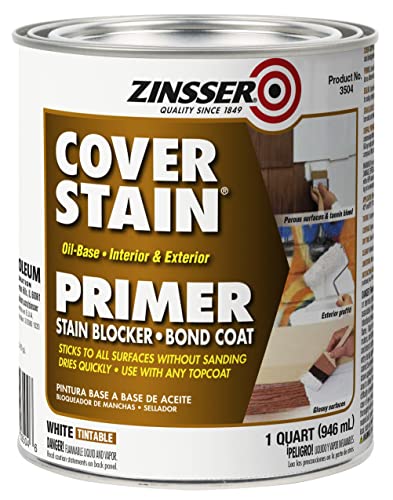
This quart-sized oil-based primer functions as a stain blocker and sealer, helping prevent bleed-through from tough stains. It can add a slight gloss to the topcoat, depending on the application, which can influence the final appearance of the paint film. The product is manufactured in the United States, underscoring established production standards and consistency across batches for professional use.
As an oil-based primer, it typically yields a durable, paint-ready surface capable of accepting latex or oil-based finishes. Its blocking power makes it well-suited for surfaces with tannin bleed or smoke residues, and it remains a reliable option for projects requiring solid coverage with minimal sanding preparation.
Zinsser Bulls Eye Oil-Based High Hide Primer

Zinsser Bulls Eye Oil-Based High Hide Primer offers robust stain blocking with a bright white finish. It seals water, smoke, and tannin stains while delivering a high-hide performance that reduces the number of coats needed. The non-yellowing formula helps maintain color accuracy over time, and the product is formulated to minimize lingering odor during use, making it suitable for living spaces and occupied rooms.
The oil-based base provides a solid foundation for topcoats, ensuring good adhesion and long-term durability. The white finish helps ensure true color under bold paints, and the formulation supports a clean, professional appearance on walls, trim, and other interior surfaces while resisting stain bleed in challenging environments.
Rust-Oleum Zinsser Odorless Oil-Base Stain Blocker Primer

This odorless oil-base primer is designed for interior use on a broad range of substrates, including wood, drywall, plaster, concrete, and masonry. The low-VOC formulation helps reduce odors during application, supporting more comfortable work environments. It provides solid stain blocking and a ready base for topcoats, making it a practical choice for projects where odor considerations are important.
With a fast dry time—typically touching surfaces in about 30 minutes—the primer supports quicker project turnaround while covering surfaces that may contain stains or tannins. The product’s versatility across multiple substrates and its odor-conscious profile make it a common selection for renovation and interior painting tasks that require effective blocking and a clean finish.
KILZ Original White Flat Oil-Based Primer
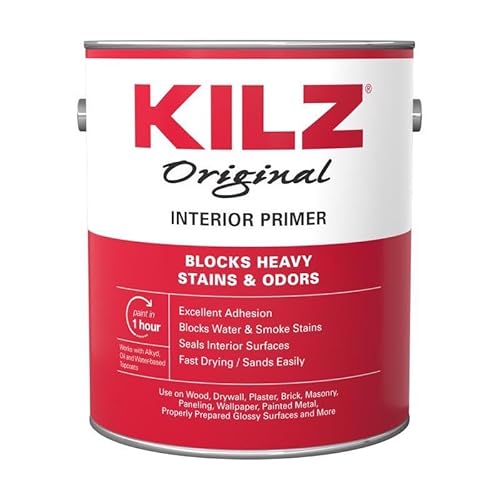
KILZ Original White Flat Oil-Based Primer is renowned for its broad stain-blocking power, capable of covering water, smoke, tannin, ink, pencil, grease, and other common stains. It also helps seal odors and is compatible with both latex and oil-based topcoats, offering interior versatility for walls and other surfaces. The white base provides a solid foundation that can improve coverage and color accuracy when applying subsequent paints.
Designed for interior use, this primer supports durable topcoats on a variety of substrates, including walls and trim. Its strong blocking capability makes it a go-to option for spaces prone to staining from smoke, moisture, or heavy use, delivering a reliable, long-lasting base for your finish coats.
Buying Guide
Key purchase considerations when selecting an oil-based primer include the type of surface, the specific stains you need to block, and the finish you want to achieve with the topcoat. Oil-based primers typically deliver stronger stain blocking and adhesion than water-based options, but they can require longer drying times and more ventilation.
- Surface type and porosity: Wood, drywall, plaster, masonry, and metal each respond differently to primer absorption. Heavier stains or tannins may require a high-hide formula.
- Stain-blocking scope: For tannins, smoke, water stains, or marker ink, choose a primer explicitly described as stain-blocking or stain-sealing to reduce bleed-through.
- Finish and color: White or tinted primers influence final color depth and topcoat appearance. Some products improve gloss or offer non-yellowing properties over time.
- Drying time and recoat window: Oil-based primers typically dry slower than water-based ones. Check product guidelines for recoat intervals to fit your schedule.
- Odor and VOC levels: Odorless or low-VOC options are preferable for indoor projects or tight spaces seeking better air quality during application.
- Application method: Sprays can speed coverage on complex surfaces, while brushes or rollers are often preferred for large flat areas. Ensure proper ventilation when spraying.
- Topcoat compatibility: Confirm that the primer accepts latex or oil-based topcoats, depending on your final paint choice.
- Coverage and yield: Consider the can size and estimated coverage per coat to estimate material costs and project timelines.
- Brand reliability and availability: Popular brands like Zinsser and KILZ have established performance records and wide distribution, aiding consistency across batches.
Across these options, select a primer that aligns with your surface, stain challenges, and the finish you expect from the final paint job. The right choice will minimize sanding, reduce topcoat coats, and help you achieve a durable, aesthetically pleasing result. Always follow label directions, work in a well-ventilated area, and use appropriate personal protective equipment when handling oil-based products.