Best Sealant for Metal to Concrete: Durable Bonding Solutions for Homes
Choosing the right sealant for metal-to-concrete applications requires understanding how different products handle adhesion, movement, and moisture. The following picks represent a cross-section of high-performance options, spanning polyurethane sealants, self-leveling joints, liquid rubber membranes, and crack fillers. Each product is suitable for bonding metal to concrete, sealing cracks, or creating weatherproof barriers in outdoor and indoor environments. By comparing their primary strengths, you can select a solution that aligns with your project’s specific needs, whether you’re repairing a foundation, sealing a metal roof, or setting a base for structural assemblies.
To help you compare quickly, here is a quick summary of the chosen products. The table highlights the product name, brand, primary use, and a standout benefit. Use it as a reference as you read through detailed sections below.
| Product | Brand | Primary Use | Standout Benefit |
|---|---|---|---|
| Loctite PL Premium Polyurethane Construction Adhesive | Loctite | Bonding metal to concrete and other substrates | 3X stronger than ordinary construction adhesives |
| Sika Sikaflex Self-Leveling Sealant | SIKA | Concrete expansion joints; waterproof, paintable | Self-leveling with quick cure |
| Liquid Rubber Waterproof Sealant (Black) | Liquid Rubber | Flat/low-slope roofs, foundations, metal and concrete surfaces | Extremely flexible, 950% elongation |
| DAP Concrete And Mortar Filler And Sealant | DAP | Cracks and holes in concrete and masonry | Ready-to-use; low odor; easy water cleanup |
| Sika Sikaflex Concrete Fix | SIKA | Cracks and joints in concrete; weatherproofing | Elastic, paintable polyurethane; fits standard cartridges |
Loctite PL Premium Polyurethane Adhesive
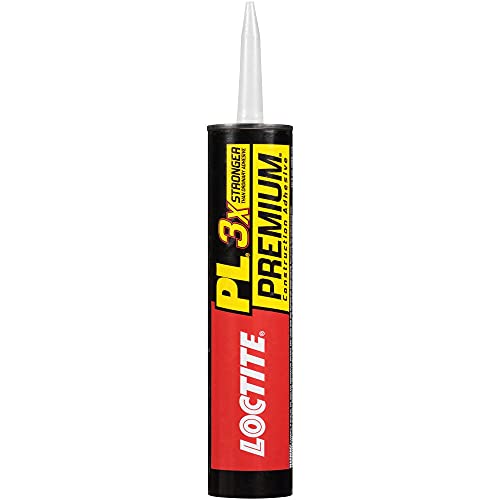
Loctite PL Premium is a versatile, one-component polyurethane adhesive designed to tackle projects that require a strong, durable bond across materials, including metal and concrete. Its all-purpose formulation is intended to work on wood, concrete, stone, brick, drywall, ceramic, PVC, and more, making it suitable for complex assemblies that involve metal-to-concrete interfaces. The product claims a 3X strength advantage over ordinary construction adhesives, a claim that translates to better shear resistance and long-term performance in high-traffic or load-bearing applications. When bonding metal joists, metal framing, or metal plates to concrete, this adhesive offers robust performance with fewer assembly steps.
In practice, Loctite PL Premium provides an initial tack that helps parts stay in place during installation and cures to a flexible, durable bond. For subfloor installations, it is particularly useful where moisture exposure or temperature variation is possible. Surface preparation—clean, dry, and free of dust—and proper joint filling are important for optimal adhesion. The product is available in a 10 fl oz cartridge, which is convenient for medium-scale projects or repairs. Its polyurethane base helps resist impacts and outdoor weather, making it a reliable option for exterior metal-to-concrete scenarios as well as interior work.
Sika Sikaflex Self-Leveling Sealant

Sika Sikaflex Self-Leveling Sealant is a gray polyurethane sealant designed for concrete joints that require a smooth, level finish. It’s especially suitable for expansion joints in driveways, garages, sidewalks, and pavement where uneven surfaces might otherwise hinder sealant performance. The self-leveling property ensures a consistent joint across irregular substrates, reducing the need for extensive troweling. It cures quickly to a tack-free state, with a full cure in less than a week, allowing adjacent materials to be returned to service sooner than with slower systems. After curing, the sealant remains flexible and waterproof, protecting metal-to-concrete interfaces from water intrusion and freeze-thaw damage.
Quick-cure performance and paintability add versatility, enabling easier integration with surrounding elements and finishes. The product is compatible with a variety of substrates and remains elastic to accommodate joint movement, which is crucial for metal-to-concrete seams that expand and contract with temperature changes. For best results, apply on clean, dry surfaces and avoid excessive moisture during curing. Post-cure painting or staining is feasible, enabling color matching or marking for maintenance awareness in outdoor or high-traffic areas.
Clear Waterproof Sealant – Tough Bison

Tough Bison offers a clear, water-based sealant that provides an invisible waterproof layer suitable for multiple substrates, including metal, wood, tile, brick, glass, and concrete. The transparent finish makes it ideal for projects where aesthetics matter, while still delivering moisture protection for cracks, joints, and leaks. The water-based formula is non-toxic and VOC-free, making it a safer option for indoor use around families and pets. It dries clear with no visible residue, preserving the natural look of metal and concrete surfaces used in architectural elements, basements, or outdoor decks that require discreet sealing.
Because the product is transparent and odor-friendly, it is particularly suitable for interior upgrades and maintenance projects where you want a low-visibility membrane. Application versatility extends to both horizontal and vertical surfaces, enabling crack sealing on walls, floors, and ceilings adjacent to metal fixtures. While it excels at moisture barrier performance, it is important to evaluate the dynamic loads and movement at the joint to confirm that the sealant’s elasticity remains sufficient over the project’s lifetime.
Liquid Rubber Waterproof Sealant – Black

Liquid Rubber Waterproof Sealant is a flexible, elastomeric membrane designed for flat and low-slope roofs, foundations, gutters, and concrete surfaces, with compatibility for metal substrates as well. Its bitumen-based formula forms a seamless barrier that accommodates building movement without cracking, making it well suited for metal-to-concrete transitions exposed to weather. The product showcases a dramatic elongation capability (over 950%), which helps maintain adhesion during temperature shifts and substrate movement. It can be brushed, rolled, or sprayed on, offering practical coverage on both horizontal and vertical surfaces.
Coverage varies by surface type, with approximate figures indicating one gallon yields about 15 square feet on flat roofs (for thicker membranes) and about 30 square feet in vertical applications (for thinner coats). For best results, multiple heavy coats are recommended to achieve a robust 60–80 mil membrane on roof surfaces and up to 30 mil on foundations. The membrane-forming quality makes it a strong option for long-term protection against water ingress, especially where metal components connect to concrete elements in roofing or foundation projects.
DAP Concrete And Mortar Filler And Sealant

DAP Concrete And Mortar Filler and Sealant is a ready-to-use gray sealant designed to patch cracks and holes in interior or exterior concrete and masonry surfaces. Its no-mix formula simplifies quick repairs and reduces downtime, which is advantageous when addressing metal-to-concrete interfaces that require sealing around structural anchors, expansion joints, or penetrations. The product’s flexibility supports modest movement, and it cleans up with water, minimizing the mess during application. A low-odor profile helps with indoor use, while the 24-hour return-to-service time supports projects that demand rapid reopening of treated areas.
This filler-and-sealant combination is well-suited for areas where crack sealing must be followed by continued exposure to moisture, temperature swings, and mechanical loads. It adheres well to concrete and masonry and remains usable with minimal surface prep, though concrete profile and cleanliness still influence long-term performance. For metal-to-concrete applications, ensure proper priming on any slick metal surfaces and verify that surrounding joints are prepared to receive the sealant, so the filled crack remains durable through cycles of heat and contraction.
Sika Sikaflex Concrete Fix

Sika Sikaflex Concrete Fix is an elastic polyurethane sealant designed for cracks and joints in concrete, offering strong adhesion to a range of construction materials. Its flexible nature helps it accommodate typical joint movement, which is essential for substrates that experience expansion and contraction. The product’s elasticity supports long-term durability in weather-exposed areas and it remains paintable, which can be important for surfaces where a cohesive appearance is desired after sealing. The cartridge format fits standard applicator guns, making it straightforward to integrate into typical repair workflows on metal-to-concrete interfaces.
When applying Sikaflex Concrete Fix, ensure the joint is clean, dry, and free of contaminants to maximize bonding and elasticity. The product is designed to maintain performance under varying temperatures and exposure to moisture, making it a practical option for sealing cracks and joints where metal and concrete meet in basements, foundations, and exterior walls. Always follow manufacturer guidance for cure times and surface preparation to optimize adhesion and movement tolerance over the life of the installation.
Buying Guide
When selecting a sealant for metal-to-concrete projects, consider the environment, movement, and substrate preparation. The following factors help narrow choices and ensure long-term performance across a range of conditions.
- Adhesion and substrate compatibility: Metal-to-concrete bonds require products with strong adhesion to both metal and concrete. Look for polyurethane-based products or elastomeric membranes that explicitly state compatibility with metal substrates as well as concrete, masonry, or brick.
- Movement capability: Joints in concrete often experience expansion and contraction. Sealants with high elasticity or stated movement ranges (for example ±35% or more) are preferred for dynamic joints near façades, foundations, or roofing transitions.
- Moisture and waterproofing performance: For outdoor and wet areas, choose products that provide waterproofing or watertight membranes after cure. Self-leveling or crack-sealing variants can help prevent water infiltration around metal connections.
- cure time and working time: Fast-curing formulas reduce downtime. Consider tack-free times and full cure durations to coordinate with construction schedules and permitting requirements.
- Paintability and finish: If the project requires an aesthetically uniform surface, select sealants described as paintable. Paint compatibility improves long-term maintenance and appearance on visible joints.
- VOC content and safety: For indoor projects, low-VOC and non-toxic options reduce odor and environmental impact, improving indoor air quality during application and cure.
- Application method and tools: Cartridge-based products fit standard caulking guns. Self-leveling sealants minimize manual tooling on uneven joints, while patch fillers require filling and smoothing for a neat finish.
- Surface preparation: Proper cleaning, drying, and removal of old sealant residues are essential for optimal adhesion. Some products tolerate minor surface contaminants, but best results come from a clean substrate.
- Durability under UV and temperature: Exterior installations face UV exposure and temperature swings. Look for elastomeric formulations that resist UV degradation and maintain elasticity over time.
In practice, the best approach for metal-to-concrete bonds is to pair a strong adhesive or flexible sealant for joints with a lighter-duty crack filler for minor imperfections. For structural bonding, a polyurethane construction adhesive with high shear strength (such as Loctite PL Premium) provides robust attachment between metal and concrete. For joints, a self-leveling sealant (such as Sikaflex Self-Leveling Sealant) offers smooth, waterproof performance with the ability to repaint. For roofline or foundation waterproofing, option sets like Liquid Rubber give you a flexible, durable membrane designed to resist movement and weather stress.
When evaluating options, align product specifications with your project’s requirements: the expected movement, exposure to water, temperature cycles, and whether you need a visible or hidden finish. By understanding these factors, you can select a sealant that delivers reliable performance for metal-to-concrete interfaces and reduces the likelihood of future repairs.