Best Shooting Ear Muffs for Range Hearing Protection
Finding reliable hearing protection for shooting means balancing noise reduction with the ability to hear commands. The five selections below cover electronic amplification, adjustable fit, and rugged durability for ranges, hunting, and woodworking. Use the quick-table snapshot to compare core traits at a glance and help narrow your choices based on how you shoot and where you shoot.
| Product | Brand | Key Feature |
|---|---|---|
| Walker’s Razor Slim Shooter Muffs | Walker’s | Ultra slim, amplified hearing |
| Howard Leight Impact Sport Earmuffs | Howard Leight | 82 dB amplification; NR 22 |
| PROHEAR 4X Amplification Earmuffs | PROHEAR | 4x amplification; 23 dB NR |
| PROHEAR 016 Earmuffs 2 Pack | PROHEAR | NRR 26 dB; foldable |
| Walker’s Razor Quad Muff Bluetooth | Walker’s | 4 mics; Bluetooth; 23 dB NR |
Walker’s Razor Slim Shooter Muffs

Walker’s Razor Slim Shooter Electronic Folding Ear Protection Muffs offer an ultra low-profile design with extra slim ear cups for a secure fit under hats and goggles. They protect against hazardous noises while still letting you clearly hear what’s happening around you. The device uses two hi-gain microphones to provide clear omni-directional hearing and enhances low-end frequencies to deliver a natural sound profile, so commands and range safety talks remain intelligible during sessions on the range or in the field.
The construction emphasizes rugged durability: a rubberized coating helps shield the interior electronics, and the housing is built from a sound-dampening composite. The headband is a padded metal wire frame that balances comfort with resilience, making these muffs suitable for long shooting sessions. If you need compact, protective gear that won’t obstruct your view, these are a strong fit for hunters and range shooters alike. They fold for easy storage between uses.
Howard Leight Impact Sport Earmuffs
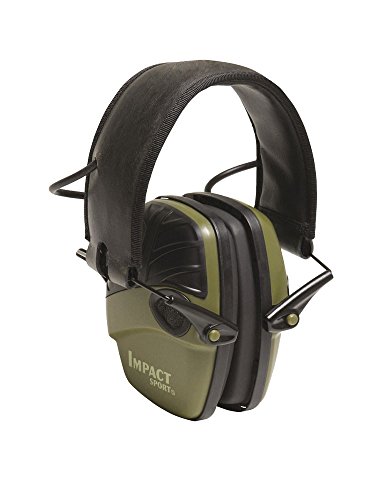
Howard Leight R-01526 Impact Sport Earmuffs provide built-in directional microphones that amplify surrounding sounds and range commands up to a safe 82 dB, supporting more natural listening and easier communication at the shooting line. They automatically reduce amplification when ambient sound spikes beyond the threshold, helping protect hearing during bursts or loud shots. With a Noise Reduction Rating (NRR) around 22 dB, these earmuffs strike a balance between protection and situational awareness for many shooters.
The design includes low-profile earcups to accommodate firearm stocks and an adjustable headband for secure fit. They fold for convenient storage and transport, and the green hue gives a classic look on the range. These earmuffs are a popular choice for casual shooters, instructors, and anyone who prioritizes ease of use, portability, and dependable attenuation during practice sessions.
PROHEAR 4X Amplification Earmuffs

PROHEAR 4X Sound Amplification Earmuffs use smart technology to suppress gunshots within 0.01 seconds while boosting low-level sounds up to four times their natural volume. This makes it easier to hear commands, teammates, and environmental cues during shooting sessions. The device is powered by two AAA batteries, delivering up to approximately 300 hours of operation, so you don’t need to worry about frequent battery swaps in the middle of a match or practice.
Comfort features include wide, soft ear cushions and a padded telescopic headband that adapts to most head sizes. At roughly 0.6 pounds, the muffs feel nearly invisible during long sessions, yet still provide robust protection. They fold for compact storage and comply with ANSI S3.19, offering a reliable balance of protection, amplification, and practicality for gun ranges, hunting, or outdoor work.
PROHEAR 016 Earmuffs 2 Pack
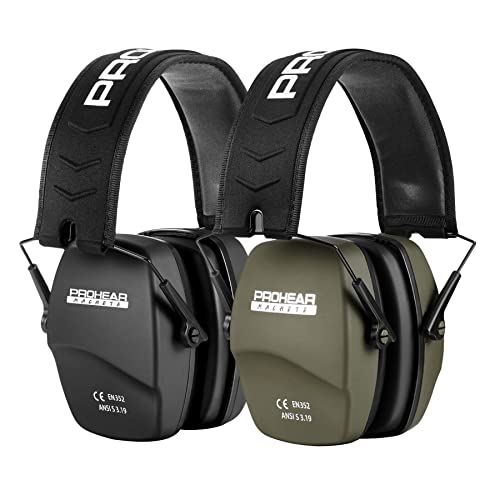
PROHEAR 016 Shooting Ear Protection Earmuffs come as a two-pack with strong protection: NRR 26 dB (SNR 31 dB) and a compact, low-profile design that works well with rifles and shotguns. The foam and housing are designed to prevent harmful noise from reaching your ears while keeping a comfortable seal. The small form factor reduces interference with aiming, hearing protection, and overall situational awareness.
These muffs prioritize comfort and portability. They feature a lightweight build, wide ergonomic cups with soft cushions, and a padded headband for hours of wear. The set includes a carrying bag for easy transport, making them a solid option for shooters who want dependable protection for multiple sessions and environments without sacrificing comfort or mobility.
Walker’s Razor Electronic Quad Muff Bluetooth
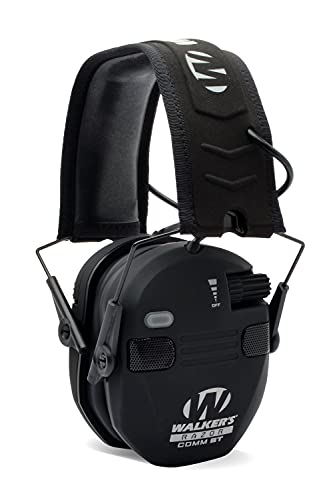
Walker’s Razor Electronic Quad Muff w/ Bluetooth combines four hi-gain omni-directional microphones with a 360-degree sound capture system and 23 dB NRR for solid hearing protection. The built-in Bluetooth connectivity lets users pair devices for hands-free communication and audio streaming while keeping protection intact. The recessed knobs and rugged, sound-dampening composite housing help maintain a clear balance between protective isolation and ambient awareness, ideal for hunters and range days where communication matters.
The design emphasizes durability with a rugged exterior and a comfortable headband that supports long wear times. The quad-mic configuration enhances awareness in all directions, so you can stay aware of your surroundings even when wearing hearing protection. These muffs are suited for serious shooters who want modern tech without compromising protection or comfort in the field or on the range.
Buying Guide
Key Considerations When Selecting Shooting Earmuffs
When choosing shooting earmuffs, consider how you shoot, where you shoot, and how long you wear protection. Noise reduction and amplification balance is central: higher NRR provides stronger protection, but some models emphasize enhanced hearing of commands or ambient sounds through amplification. Decide whether you need passive protection, electronic amplification, or a combination of both for your typical sessions on the range, during hunting, or in workshop environments.
- Noise Reduction Rating (NRR) vs. Acoustic Amplification: Passive protectors block sound; electronic muffs can amplify safe sounds while dampening loud noises. Choose based on whether you prioritize hearing safety alone or situational awareness as well.
- Microphone Configuration: Two-mic designs provide directional amplification, while multi-mic (including 360-degree) setups offer more comprehensive ambient awareness. Consider how important full-sphere hearing is for you.
- Fit, Comfort, and Weight: Look for wide, soft ear cushions and an adjustable headband. Lighter models reduce fatigue during long practice sessions or hunts; rugged builds survive field use.
- Battery Life and Power: Models with AAA or rechargeable power differ in maintenance. Longer battery life reduces interruptions during shoots.
- Durability and Portability: Foldable designs, carrying bags, and durable housings matter for travel and storage between sessions.
- Additional Features: Bluetooth connectivity, auto shut-off, and low-profile shapes can influence usability depending on your gear and preferences.
- Intended Use and Environment: Range shooting, hunting, woodworking, and mowing each have different noise profiles. Pick models designed for your primary activities and head movement needs.
How To Compare The Top Picks From This List
The five highlighted models cover a spectrum of needs. If you want a slim, low-profile option with reliable protection and basic amplification, the Walker’s Razor Slim Shooter Muffs are a solid pick. For easy, all-day use with a classic green aesthetic and automatic amplification control, the Howard Leight Impact Sport Earmuffs are a versatile range companion. If you value strong amplification and battery life, the PROHEAR 4X earmuffs provide robust 4x amplification with long-lasting AAA power. For budget-conscious protection with a foldable design, the PROHEAR 016 Earmuffs 2 Pack deliver solid NRR in a portable package. Finally, for advanced ambient listening and wireless convenience, the Walker’s Razor Quad Muff Bluetooth combines four mics with Bluetooth for modern range etiquette and safety.
When evaluating, test fit and comfort first—ear cups should seal well without excessive pressure. Check for compatibility with your headgear (goggles, hats, helmets), as well as storage and transport needs. If you routinely shoot in loud environments but require communication with instructors or teammates, the amplification-focused models and Bluetooth-enabled options can improve safety and effectiveness. Always prioritize models with a reputable NRR and reliable battery life to ensure protection over many sessions.