Best Soil Tester Kit: Essential Tools for Healthy Gardens
Gardening success starts with healthy soil. A reliable soil tester kit helps you monitor pH, nutrients, moisture, and other conditions so you can tailor your care. The five kits below balance accuracy, ease of use, and price for home gardens, lawns, and container plants across the United States. Use this guide to compare classic colorimetric tests with digital meters and professional lab options, so you can pick the right tool for your soil and climate.
| Product | Brand | Tests/Capabilities | Key Benefit |
|---|---|---|---|
| Rapitest 4-Parameter Soil Test Kit | Luster Leaf | pH, Nitrogen, Phosphorus, Potash; 20 tests total | Affordable, easy color comparison |
| MySoil Professional Soil Test Kit | My Soil | 13 plant-available nutrients; pH; lab analysis | Lab-grade accuracy with actionable recommendations |
| YAMRON 4-in-1 Soil Tester | YAMRON | Moisture, pH, Temperature, Sunlight | All-in-one digital readouts with backlight |
| 7-in-One Soil Test Kit | TryOpen | Moisture, pH, Fertility, Sunlight, Temperature, Humidity, LCD | Broad diagnostics in a single unit |
| AiGerdinn 2-in-1 Soil Tester | AiGerdinn | Moisture, pH (dual-dial) | No batteries; simple, beginner-friendly |
Rapitest 4-Parameter Soil Test Kit
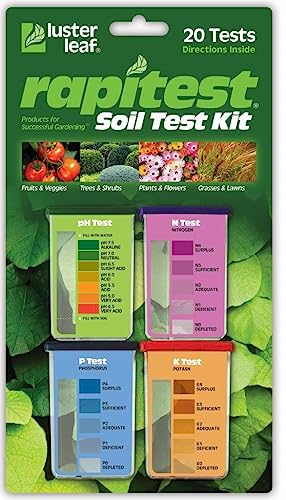
The Rapitest kit from Luster Leaf provides quick, at-home results for soil pH and the major plant nutrients: nitrogen, phosphorus, and potassium (K). The system uses an easy-to-use capsule setup and patented color comparators, allowing gardeners to interpret results without specialized equipment. Included are components sufficient for 20 tests—five tests for each parameter—so you can test multiple spots in a yard or garden beds to get a representative read. The color-based readouts are straightforward, making it suitable for beginners seeking fast, actionable feedback.
Because results rely on visual color matching, outcomes can vary with light and user interpretation. This kit excels for quick, seasonal checks or routine maintenance on lawns, flower beds, and vegetable plots. For gardeners who want a budget-friendly baseline before deeper testing or fertilizer adjustments, Rapitest offers a reliable starting point with minimal setup and maintenance.
MySoil Professional Soil Test Kit
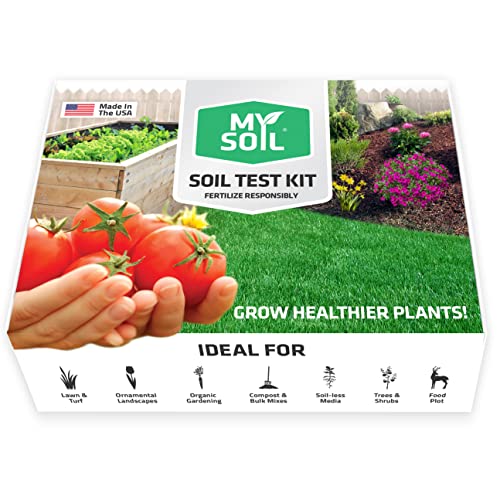
MySoil emphasizes professional-grade soil analysis with a focus on plant-available nutrients. Unlike simpler color tests, this kit promotes a lab-style evaluation of 13 plant-available nutrients, plus pH, delivered with tailored recommendations. Results typically arrive in about 6–8 days, making it ideal for gardeners planning seasonal plantings, lawns, and vegetable beds that require precise nutrition plans. The kit is designed to work with any soil type and growing scenario—lawn turf, vegetables, flowers, trees, or houseplants—offering a comprehensive baseline for informed amendments.
Users should consider the longer turnaround time compared with at-home tests. While not instantaneous, the depth of data and actionable recommendations can be valuable for serious growers aiming to optimize long-term soil health and reduce guesswork. This is especially beneficial for those who want to align fertilization with specific crop needs and soil conditions rather than relying on general guidelines.
YAMRON 4-in-1 Soil Tester

The YAMRON 4-in-1 combines moisture, pH, temperature, and sunlight measurements in a single digital unit. It features a large LCD display with a backlight, making readings easy to read in daylight or low-light conditions. The device relies on an up-to-date probe system designed to deliver quick and accurate readings for soil moisture, pH values, temperature, and light exposure—helpful for optimizing watering schedules and ensuring plants receive adequate sunlight. It uses standard AAA batteries (not included) and includes battery life alerts for ongoing use.
For gardeners seeking a compact, immediate feedback tool, YAMRON’s 4-in-1 is a practical choice. It is especially useful for container gardens, raised beds, and areas where quick, repeatable checks matter. While the accuracy of pH meters can vary with soil composition, this model provides consistent readings and the convenience of monitoring four critical factors without swapping tools.
7-in-One Soil Test Kit

The TryOpen 7-in-One kit provides a broad diagnostic suite in one device. It measures soil moisture, pH, fertility, sunlight, soil temperature, and air humidity with an LCD readout. Designed with beginners in mind, this unit emphasizes ease of use: a simple mode switch controlled by one button and clear, actionable data on a single display. The probes use metal materials aimed at durability and better conductivity, helping improve reading speed and accuracy for gardeners monitoring multiple plantings across a yard or greenhouse.
While multi-parameter meters are convenient, users should be mindful of calibration needs and potential minor variances between measurements of different factors. For gardeners who want a single instrument capable of guiding irrigation, light exposure, and nutrient management across various plots, the 7-in-One offers a comprehensive, user-friendly option with frequent readings and straightforward interpretation.
AiGerdinn 2-in-1 Soil Tester

The AiGerdinn 2-in-1 tester focuses on moisture and pH with a dual-dial design. This beginner-friendly model does not require batteries, making it a low-maintenance option for quick checks. The sturdy probe and dual meters let users read soil moisture and pH simultaneously, minimizing soil disruption while providing clear, interpretable results. It is especially well-suited for indoor plants, small gardens, and beginner gardeners who want a simple, reliable tool without additional setup or ongoing costs.
Because it relies on a simple dial-based readout, this kit offers quick insights at a glance. While it may not replace professional analyses for complex crops or soil remediation projects, the AiGerdinn model is a practical starter tool for monitoring routine moisture levels and basic soil acidity in a range of home-garden environments.
Buying Guide
Choosing the right soil tester involves balancing accuracy, ease of use, and the level of detail you need to manage your garden. Start by considering the testing approach: colorimetric kits like Rapitest are inexpensive, fast, and simple but rely on visual interpretation. Digital meters, such as YAMRON and TryOpen, provide immediate numeric readings for multiple parameters, improving consistency and traceability. For those planning longer-term soil improvements or crop-specific plans, a lab-based option like MySoil offers depth and guidance, albeit with longer turnaround.
Multi-parameter coverage matters. If you want quick checks for moisture and pH, a 2-in-1 or 4-in-1 device may be sufficient. For more comprehensive monitoring—especially in varied landscapes or with container gardens—a 7-in-1 solution can capture soil fertility, light, temperature, and humidity, reducing the need to carry multiple tools. However, complexity can come at the cost of calibration requirements and learning curves, so match the tool to your experience level and maintenance willingness.
Accuracy, calibration, and calibration frequency are key considerations. Colorimetric tests provide visual results that are quick but may vary with lighting or interpretation. Digital meters deliver numeric precision but require battery management and occasional calibration to maintain accuracy. Lab-based testing (as with MySoil) delivers the most detailed nutrient profiles and tailored recommendations, ideal for planners who want to optimize fertilization and plant selection over a growing season.
Ease of use and practicality matter for day-to-day gardening. For beginners, models with clear dials or simple mode switches reduce friction and errors. For larger plots or ongoing monitoring, durability, water resistance, and a readable display size improve the user experience. Consider your soil type, local climate, and plant goals when evaluating whether a tester should prioritize depth of analysis, speed, or convenience.
Maintenance and longevity are also important. Some meters operate without batteries, which reduces ongoing costs and downtime. Others require battery changes or occasional cleaning of probes to prevent drift or corrosion. Think about storage conditions, replacement parts (such as probes or calibration solutions), and warranty when selecting a soil tester. A well-chosen kit supports consistent, data-driven decisions that help you grow healthier plants with less guesswork.