Best Tools for Cutting Small Trees: Pruners, Saws, and Loppers
Maintaining small trees and shrubbery in a home landscape often hinges on selecting the right tool for clean, healthy cuts. The tools below are well-suited for trimming branches, shaping growth, and reaching higher limbs without climbing. Each option focuses on durability, ease of use, and precise cutting, helping to protect plant health while reducing fatigue during pruning chores.
| Product | Brand | Key Feature |
|---|---|---|
| Fiskars 28″ Loppers | Fiskars | 1.5″ cut capacity; rust-resistant steel blade; shock-absorbing handle |
| WEIMELTOY 10-Inch Pruning Saw | WEIMELTOY | SK5 blade; 10″ curved blade; triple-cut razor teeth |
| GARTOL Cut & Hold Pole Pruner | GARTOL | 4.2 ft reach; 180° rotating handle; cuts up to 1/2 inch |
| Uopyeri Folding Hand Saw | Uopyeri | 8″ blade; non-slip ergonomic handle; gear-lock safety |
| LeafLux Extendable Tree Cutter | LeafLux | Telescoping reach; cuts up to 1/2 inch; rotating head |
Fiskars 28-Inch Loppers For Tree Trimming
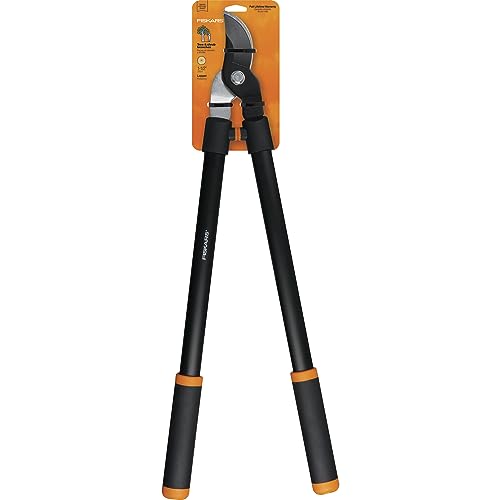
The Fiskars 28-inch loppers are designed for heavy-duty branch trimming on small trees and shrubs. The long, steel blade offers a clean bypass cut, enabling precise work on branches up to 1.5 inches in diameter. A low-friction coating minimizes gumming and rust buildup, helping maintain smooth operation over time. The non-slip handle provides control during long pruning sessions, contributing to reduced hand fatigue. Built for durability, the blades stay sharp through extended use and are backed by a full lifetime warranty, making them a reliable option for ongoing yard maintenance.
When addressing taller growth or thicker stems, the extended length minimizes the need to bend or stretch, while the bypass blade design helps preserve the cambium layer of live wood—important for tree health. For routine trimming, these loppers are well-suited to shaping branches and removing deadwood on small trees without causing damage to adjacent bark or living tissue. Regular maintenance, such as cleaning the blade after use and applying a light rust inhibitor, can extend life and performance in variable outdoor conditions.
WEIMELTOY 10 Inch Pruning Saw

The WEIMELTOY pruning saw is a compact solution for cutting small- to medium-diameter branches on trees and shrubs. With an SK5 steel blade and a 10-inch curved design, the tool delivers efficient cutting across a range of wood densities. Triple-cut razor teeth promote fast, clean cuts in both push and pull motions, increasing versatility in tight pruning spots. The lightweight construction makes it accessible for beginners while still providing enough durability for routine outdoor use. A soft, non-slip grip enhances comfort during extended sessions, reducing fatigue on longer pruning projects.
Designed for ease of use, the WEIMELTOY saw comes fully assembled and ready to operate. Its dependable blade geometry supports precise cuts, helping to reduce splintering and damage to small trees. For best results, maintain proper tension on the blade, periodically oil the teeth to prevent binding, and store the tool in a dry place to preserve rust resistance and cutting performance over time.
GARTOL Cut & Hold Pole Pruner

The GARTOL pole pruner extends reach to help prune higher branches from the ground, reducing the need for ladders. The 4.2-foot aluminum pole provides substantial reach, while a 180-degree rotating handle enables pruning from multiple angles. The blade cuts live branches up to about 1/2 inch in diameter, making it suitable for shaping shrubs and light tree trimming. The cut-and-hold feature helps secure cut limbs for easy removal, contributing to efficient pruning of overhead growth. This tool is well-suited for gardeners focusing on accessibility and precision in elevated cuts.
In practice, this pruner balances reach with control. The rotating handle supports ergonomic use in cramped spaces, and the lightweight construction minimizes user fatigue. Regular inspection of the blade for nicks and keeping the locking mechanism clean will support consistent performance. For best results, use smooth, deliberate motions and avoid forcing the blade through branches that exceed the rated capacity, which can strain the tool and damage wood tissue.
Uopyeri Folding Hand Saw 8 Inch

The Uopyeri folding hand saw features an 8-inch high-carbon steel blade designed for fast, smooth cuts in pruning and wood cutting. The aggressive, staggered teeth provide efficient cutting performance, while the triple-cut serration enhances cutting speed and reduces effort. An ergonomic, non-slip handle helps maintain a secure grip in varying weather and outdoor conditions, supporting safe operation during long pruning sessions. The gear-lock mechanism ensures the blade stays securely open or closed, adding an important safety layer when transporting or storing the tool.
This folding saw is particularly practical for on-the-go pruning tasks or small-tree trimming where portability matters. For best results, keep the blade clean and dry after use, oil the blade periodically to resist rust, and avoid using the saw on non-wood materials that could dull teeth. The compact design fits easily into a tool belt or backpack for quick clips around the yard without sacrificing cut quality.
LeafLux Extendable Tree Cutter

The LeafLux Extendable Tree Cutter combines reach and precision with a telescoping pole that extends from 3.67 to 5.45 feet. This generous reach helps prune tall growth from ground level, reducing ladder use for overhead cuts. The blade is coated for smooth performance and durability, with a cutting capacity up to 1/2 inch. A rotating pruner head adds flexibility to approach branches from different angles, while the cut-and-hold system helps secure cuttings for easy collection. This tool is designed for gardeners who want a lightweight, extendable solution for high branches and fruit tree maintenance.
In practice, the LeafLux model supports safer pruning of higher limbs and dense growth without overreaching. The extendable pole reduces the need for ladders, but users should still prioritize proper footing and stable surfaces when working at height. Regular cleaning, lubrication of moving parts, and inspection of the locking mechanism will help maintain performance. If you frequently prune tall trees or hedges, this tool offers a balance of reach, control, and portability for ongoing yard care.
Buying Guide
- Cut capacity and blade type: Choose tools with blades appropriate for the branch diameter you regularly encounter. Loppers handle thicker, live wood up to about 1.5 inches, while pruning saws tackle smaller to medium limbs with clean edge geometry that minimizes tearing.
- Reach and ergonomics: Long-handled loppers and pole pruners reduce the need to climb or stretch. Consider pole length ranges (folding or telescoping) and rotating heads that adapt to awkward angles for overhead pruning.
- Blade material and durability: High-quality steel, such as SK5 or rust-resistant coatings, helps maintain sharpness and resistance to corrosion. A replaceable or easily sharpened blade extends tool life and cutting efficiency.
- Safety features: Gear-lock mechanisms, locking blades, and non-slip grips are essential for safe operation and storage. Safety should be a priority for tools used above ground level or in cramped spaces.
- Maintenance and care: Regular cleaning after use, drying blades, and applying light oil prevent rust and binding. Inspect for nicks or bends and address them promptly to preserve cutting precision.
- Tool type and use case: For frequent overhead cuts, pole pruners offer reach and control. For ground-level shaping, loppers and folding saws provide portability and speed. For occasional trimming of small branches, compact saws deliver clean cuts with minimal effort.
- Storage and portability: Folding or collapsible tools save space in tool sheds and gear bags. Keep blades covered during transport to reduce accidental cuts and blade dulling.
- Material compatibility: Avoid using wood-cutting blades on non-wood materials, as this can dull teeth and reduce effectiveness. Use the appropriate tool for the job to maintain performance and safety.