Best Wood Splitting Tools for Easy Firewood Prep
Seasonal wood prep demands reliable tools. This guide highlights five top wood splitting tools that balance power, safety, and durability. Ranging from long-handled axes to heavy mauls and rugged wedges, these picks cover a range of logs and user heights. Each option is evaluated on blade or head design, weight, handle quality, and maintenance needs to help you choose the best tool for your firewood goals.
| Product | Brand | Notable Feature |
|---|---|---|
| Fiskars X27 Super Splitting Axe | Fiskars | 36″ shock-absorbing handle; forged steel blade; efficient 1-strike splits |
| ESTWING Sure Split Wedge | Estwing | 5-Pound forged steel wedge; 1-7/8″ cutting edge |
| Estwing Fireside Friend Axe | Estwing | 14″ maul; patented shock reduction grip |
| Estwing 8 Pound Wood Splitting Maul | Estwing | 36″ Hickory handle; 8 lb head; superior shock absorption |
| Edward Tools 17-Inch Wood Splitting Maul | Edward Tools | 3 lb head; forged steel; rubber sheath included for safety |
Fiskars X27 Super Splitting Axe

The Fiskars X27 is designed for medium to large logs with a 36-inch handle that provides ample leverage. Its hardened forged steel blade and bevel-convex edge deliver efficient cutting and help the blade maintain an edge, even after repeated use. The design supports powerful splits with fewer strokes, making it suitable for regular firewood prep and heavy yard tasks. The long blade geometry also aids in removing the blade from wood after a split, reducing jams and downtime between swings.
The tool emphasizes control and comfort. A shock-absorbing handle reduces vibration, while a textured non-slip grip improves control in varying conditions. The extended handle length is especially beneficial for taller users, enabling strong, confident swings. Overall, this axe combines durability, efficiency, and user-friendly ergonomics for consistent performance across seasons.
ESTWING Sure Split Wedge
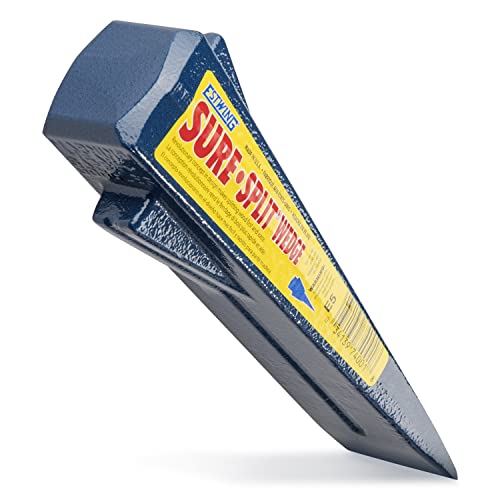
The ESTWING Sure Split Wedge is a 5-pound tool engineered to drive apart logs with less effort. Its forged steel construction and a 1-7/8″ cutting edge are designed to work with a splitting maul or hammer, enabling effective splits on stubborn pieces. Wedges like this excel when you need to penetrate tough grain or when logs are resistant to chopping with an axe alone. The wedge’s solid build supports repeated use without frequent maintenance, making it a dependable companion for weekend fires and professional yard work.
Because wedges have no moving parts, the ESTWING wedge offers straightforward reliability and portability. Its weight provides momentum from a single strike, and the head geometry concentrates force precisely where it’s needed. For compact storage and travel, the wedge remains a practical addition to any splitter’s toolkit, especially when paired with a robust maul for larger logs.
Estwing Fireside Friend Axe

The Estwing Fireside Friend Axe is a compact 14-inch wood splitting maul that pairs forged steel construction with a balanced design. Its forged steel head delivers reliable performance on medium to large logs, while the patented Shock Reduction Grip minimizes vibration—reducing fatigue and improving comfort during extended use. The combination of durability and ergonomic design makes this model well-suited for campers, homeowners, and backyard crews who split wood regularly but prefer a lighter, maneuverable tool.
Users benefit from a slip-free grip and durable construction that withstands repeated impact. The lighter form factor supports quick handling and accurate strikes in confined spaces, such as cabins, tents, or fire pits. Overall, the Fireside Friend blends dependable steel with user-friendly features to deliver steady performance in a compact package.
Estwing 8 Pound Wood Splitting Maul
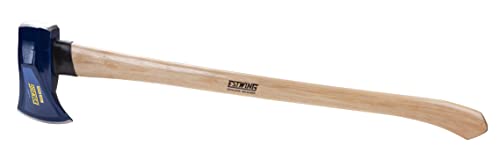
The Estwing 8-Pound Maul combines a heavy head with a long 36-inch hickory handle to deliver significant momentum for tough splits. The forged steel blade is designed for durability and resilience, while the extended handle helps generate powerful, controlled strikes with less effort. This model is particularly effective on larger logs and dense wood, where a heavier tool can reduce the total number of swings required to achieve clean splits. It is built for rugged outdoor use and long service life.
Durability and balance are hallmarks of this maul. The robust construction resists bending and dulling, and the long handle helps maintain steady rhythm during heavy splits. For users who regularly process sizable firewood, the Estwing maul provides a reliable, high-impact option that pairs well with a dedicated splitting wedge or a fixed anvil setup.
Edward Tools 17-Inch Wood Splitting Maul
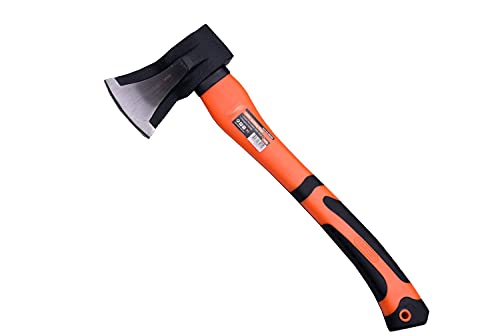
Edward Tools’ 17-inch Wood Splitting Maul offers a compact, heavy-duty option with a weighted head engineered for faster chopping and clean splits. The forged steel head provides reliability under demanding use, while the 17-inch length balances leverage with maneuverability in tighter spaces. The tool is designed to split firewood and kindling efficiently, making it suitable for weekend projects and routine yard work. A rubber sheath is included for safe storage and transport, helping protect both the tool and the user between jobs.
The combination of a strong edge and a well-balanced handle reduces fatigue during longer sessions. This maul is a practical choice for users who want a reliable, lighter-weight alternative to larger mauls while still delivering solid splitting performance on smaller to mid-size logs.
Buying Guide
Choosing the right wood splitting tool depends on log size, frequency of use, and personal comfort. Axes, mauls, and wedges each excel in different scenarios. Consider weight and balance to maximize momentum with minimal fatigue. A longer handle provides more leverage but can be unwieldy in tight spaces. Material quality affects edge retention, durability, and the ability to withstand repeated impacts. Maintenance, safety gear, and proper storage also influence long-term performance and value.
- Tool Type and Use Case: Choose an axe for quick, smaller splits; a maul for heavy-duty, larger logs; or a wedge to pair with a maul for stubborn pieces.
- Weight and Balance: Heavier heads deliver more momentum but require control and strength; balance determines comfort over long tasks.
- Handle Material and Length: Hickory handles are durable and absorb shock; longer handles increase leverage but demand space to swing.
- Head/Blade Design and Material: Forged steel heads resist wear; wedge edges focus force at each split; bevel geometry affects cutting efficiency.
- Safety Features and Grip: Shock-reduction grips and textured surfaces improve control and reduce fatigue during extended use.
- Maintenance and Care: Regular sharpening, cleaning, and rust protection extend tool life; store tools safely with sheaths when not in use.
- Price-to-Value and Warranty: Weigh initial cost against durability, comfort, and expected lifespan; warranties indicate long-term support.
- Storage and Use Conditions: Consider weather exposure and space for safe storage; use proper protective gear during operation.