Best Wood Stud Finder: Top 5 Accurate Wall Scanners
Locating wood studs behind walls is essential for secure mounting and safe drilling. Wood stud finders using multiple sensors deliver more accurate results than traditional single-sensor tools or magnets. This guide features five top wood stud finders that balance accuracy, ease of use, and durability for DIYers and professionals. The selections emphasize models with strong sensor networks, live wire detection, clear displays, and reliable performance across common wall materials. Use the table below as a quick reference, then explore each product section to compare benefits and practical uses.
Summary of chosen products:
| Product | Brand | Notable Feature |
|---|---|---|
| ProSensor MAX 13-Sensor Stud Finder | Franklin Sensors | 13 sensors, 2.5″ depth, center and edges LEDs |
| ProSensor M210 13-Sensor Stud Finder | Franklin Sensors | 13 sensors, live wire meter, wide LED display |
| ProSensor M150/X990 Stud Finder | Franklin Sensors | 9 sensors, easy scanning, shows full stud width |
| DEWALT 3/4-Inch Stud Finder | DEWALT | Center-find tech, 3/4″ depth, live wire detection |
| JAXWQ 5-In-1 Stud Finder | JAXWQ | 5 modes, HD LCD, edge and center detection |
ProSensor MAX 13-Sensor Stud Finder

Franklin Sensors ProSensor MAX delivers industry-leading accuracy with 13 sensors. The LEDs actively track the stud’s center and edges, providing a clear visual map as you scan. A maximum detection depth of up to 2.5 inches makes it effective for thicker drywall, plaster, or tile-backed walls. The dual-detection mode lets you scan normally or through multiple wall layers, which is helpful in renovations and multi-layer construction. No calibration is required—press the button and begin scanning, even over a stud, to confirm its location before drilling.
ProSensor M210 13-Sensor Stud Finder
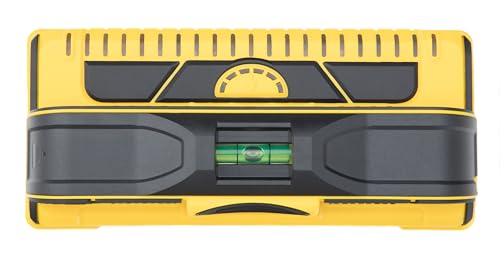
Franklin Sensors ProSensor M210 expands on the classic design with 13 patented sensors for greater accuracy. It includes a safety-oriented live wire meter, helping you avoid electrical hazards before drilling. The wide LED display shows the stud’s center and edges simultaneously, reducing guesswork when marking your wall. In addition to standard detection, this model supports through-wall scanning for thicker constructions, making it suitable for plaster, tile, or layered drywall. The user experience remains simple: press the button and glide, and measurements appear clearly as you move.
ProSensor M150/X990 Stud Finder
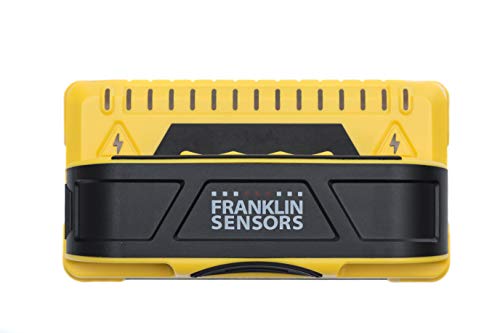
Franklin Sensors ProSensor M150/X990 combines nine sensors for high accuracy without complexity. The tool emphasizes easy operation with no calibration needed: just press and begin scanning, even over a stud. Its LEDs display the full width of detected studs, including single and double configurations, so you can place anchors and fasteners with confidence. The built-in live wire detection adds safety on projects where electrical lines run behind walls. The compact design and USA-made reliability fit professional tasks and serious DIY projects alike.
DEWALT 3/4-Inch Stud Finder

DEWALT DW0100 uses center-find technology to locate the center of the stud quickly and reliably. It detects wood and metal studs up to 3/4 inch deep and includes AC live wire detection for added safety when drilling into walls with electrical lines. The device is designed for fast setup and straightforward use on ladders or tight spaces, with intuitive indicators that guide the user to the exact stud center. The DEWALT name signals durable construction suitable for both home repairs and professional job sites.
JAXWQ 5-In-1 Stud Finder

JAXWQ Stud Finder Wall Scanner offers five scanning modes and a bright backlit LCD, helping users locate edges and centers of wood, metal studs, joists, pipes, and live AC wires behind walls, floors, and ceilings. The smart microprocessor chip improves responsiveness and reduces false positives, while the metal and deep scan options extend detection to hidden features. This model emphasizes ease of use with audible alerts and intuitive visuals, suitable for DIY renovations, hanging projects, or carpentry tasks where accurate layout matters.
Buying Guide
Sensor Count And Accuracy
Higher sensor counts generally yield more accurate results and better edge detection. Models with 9 or more sensors reduce false readings and clearly show the stud width, which helps with precise mounting. For hardcover or layered walls, more sensors often translate into greater reliability when locating the center and edges of studs.
Detection Depth And Scanning Modes
Depth ratings indicate how far a tool can sense behind wall coverings. Deeper scanning is beneficial for thick drywall, plaster, tile, or lath and plaster construction. Look for devices offering multiple scan modes (stud, deep, metal, and live wire) to handle diverse materials and hidden conduits. Some models provide through-wall detection for multi-layer scenarios common in renovations.
Live Wire Detection And Safety
Live wire detection reduces the risk of drilling into electrical cables. Tools with this feature help prevent shocking injuries and damaged wiring. When working in older homes or congested walls, a reliable live wire meter is especially valuable for safety and planning a drill path.
Display Type And Usability
Clear, easy-to-read displays (LEDs or LCD) are crucial for accurate marking. A wide display that shows stud center and edges simultaneously can save time and improve precision. User-friendly interfaces, calibration-free operation, and audible alerts enhance efficiency, particularly for rapid installations or professional workloads.
Wall Materials And Construction Scenarios
Consider the typical wall types you encounter: drywall, plaster, tile, or cement-backed surfaces. Some scanners perform better with plaster or tile and can scan through multiple layers. If you work on renovations or older homes, a model designed for through-wall detection and multi-layer walls can be advantageous.
Battery Life, Maintenance, And Brand Reliability
Battery type and life affect field usability. Calibrations should be simple or unnecessary, and durable builds matter for professional use. Reputable brands often provide warranties and reliable customer support, which can be a deciding factor when choosing a tool for ongoing projects.
When choosing a wood stud finder, balance accuracy, depth, and safety features with ease of use and budget. For most DIY projects, a sensor-rich model with live wire detection and a clear display provides the best value. For professional settings, consider models with through-wall detection and higher sensor counts to handle complex wall assemblies confidently.